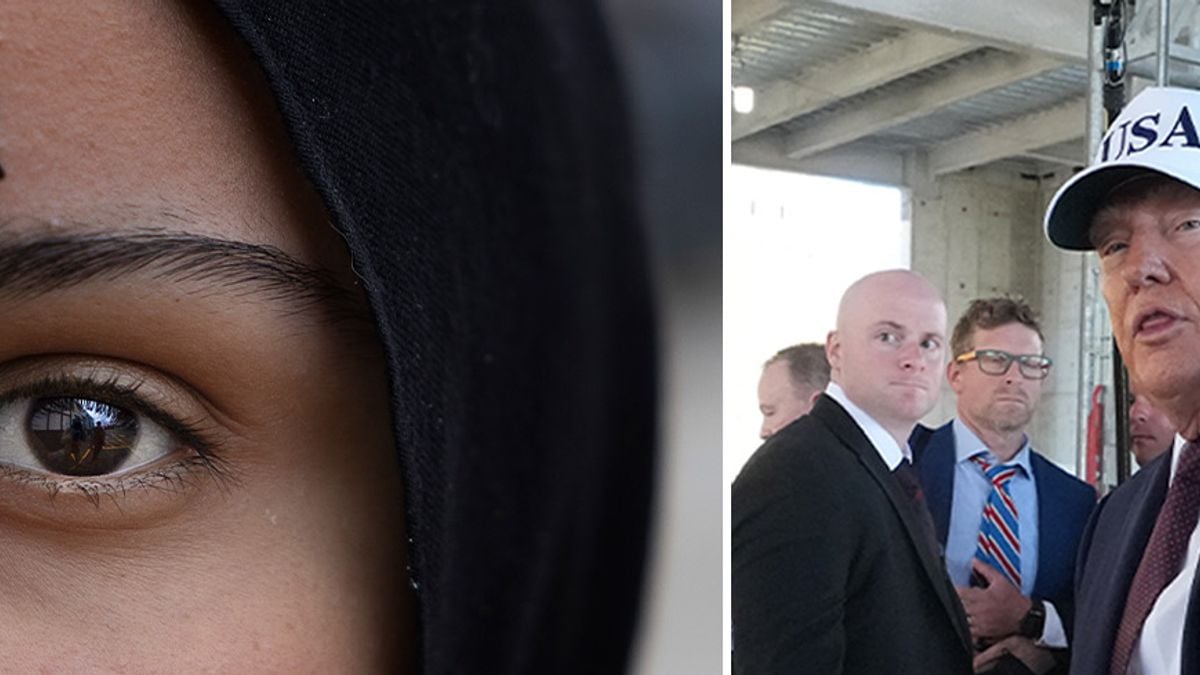
Democrat Abdul El-Sayed has claimed victory in Michigan’s closely watched senatorial contest, becoming the first Muslim elected to the United States Senate. The Associated Press called the race early Wednesday, with El-Sayed securing 52 percent of the vote against Republican challenger Mike Rogers, who held 46 percent.
A Historic Win in Michigan
His victory marks the end of a campaign that saw him replace retiring Democratic Senator Gary Peters, a seat considered pivotal to the party’s efforts to maintain control of the chamber. The victory defied traditional political calculations regarding candidates positioned far to the left in swing states, a point highlighted by Alexandria Ocasio-Cortez, who noted in October that an El-Sayed victory would fundamentally reshape the political landscape in the United States.
The election atmosphere in Dearborn, often described as the Arab-American capital of the United States, was marked by significant voter engagement. Dearborn is located just west of Detroit and holds a population of approximately 110,000 residents, with a majority having roots in the Middle East or North Africa. While Donald Trump won Dearborn in the 2024 presidential election with roughly 42 percent of the vote compared to Kamala Harris’s 36 percent, the midterm senatorial race saw a surge in participation. According to social media updates from Dearborn Mayor Abdullah Hammoud, the city had surpassed its total 2022 midterm participation seven hours before polls closed on November 3.
Campaign Rhetoric and Political Challenges
El-Sayed’s path to the Senate was defined by ideological friction and personal attacks. Throughout the race, President Donald Trump frequently targeted the candidate, using various derogatory nicknames and referring to him as a jihadist
while comparing him to the terrorists behind the September 11, 2001, attacks. El-Sayed, a physician and public health expert, countered these claims by focusing on a platform that includes a national Medicare-for-All healthcare system, significant tax increases on the wealthy, and an end to military aid for Israel.
The campaign also faced internal Democratic turbulence. Haley Stevens supported the Republican Mike Rogers, which led to her exclusion from the Democratic Party, a decision praised by Donald Trump but condemned by Senate leader Chuck Schumer as an abhorrent betrayal. Rogers, a former FBI agent and chairman of the House Intelligence Committee, also accused El-Sayed of being a national security threat, highlighting the past work of El-Sayed’s biological mother for the Islamic American Relief Agency, an organization that was designated as a terrorist entity in 2004 for its support of al-Qaeda and Hamas. El-Sayed rejected these claims, noting he was raised by his American stepmother and distancing himself from groups like the Muslim Brotherhood.
New Figures Secure Seats Across Multiple States
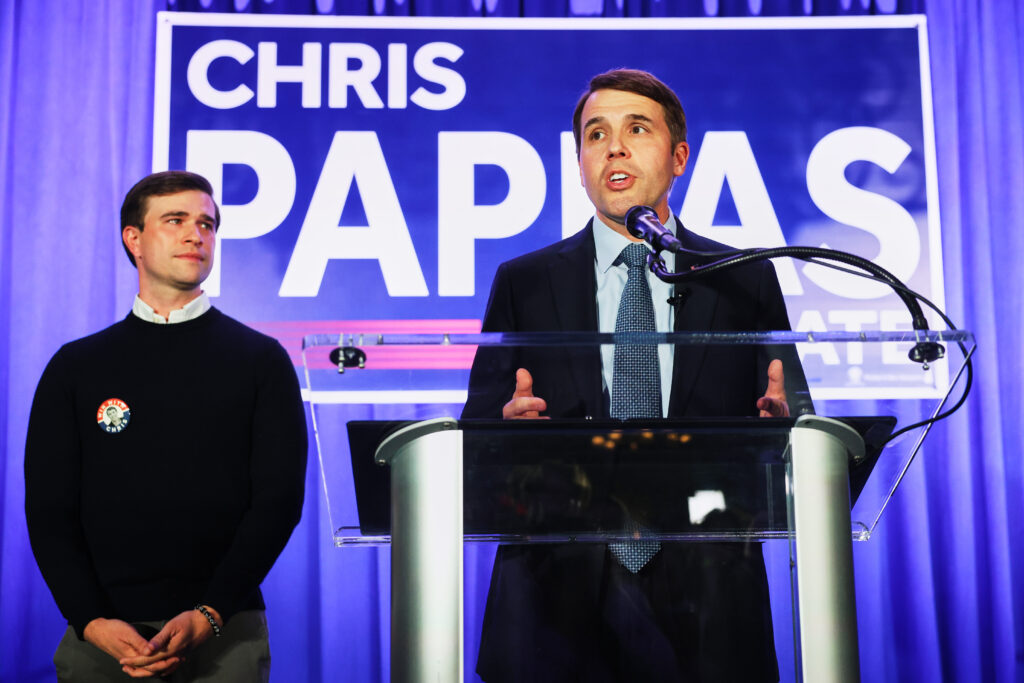
- Chris Pappas, elected to the U.S. Senate from New Hampshire.
- Peggy Flanagan, elected to the U.S. Senate from Minnesota.
- Annie Andrews, elected to the U.S. Senate from South Carolina.
- Adam Hamilton and James Talarico, who secured Senate seats in Kansas and Texas, respectively.
- Sarah McBride, who was re-elected to the House in Delaware.
- Sharice Davids, a lesbian member of the Ho-Chunk Nation, who was re-elected in Kansas.
- Ritchie Torres, the first openly gay Afro-Latino in Congress, who was re-elected in New York.
Tensions with International Media
Despite his electoral success, El-Sayed drew international attention for his conduct toward journalists. A video clip circulated showing the senator-elect in a heated exchange with a reporter from Sky News on election night. The incident, described by the British publication The Sun as a shocking moment, drew criticism from outlets including the New York Post.
As El-Sayed prepares for his term, his supporters view his election as a definitive shift in Michigan politics. During his victory speech, he offered a direct message to his most vocal critic: I know you have struggled with my name. You can simply call me senator.
Earlier coverage: Abdul El-Sayed Becomes First Muslim Elected to US Senate


