Global artificial intelligence spending surpassed operating cash flows as major technology firms funneled hundreds of billions of dollars into processors, servers, and data centers by November 2026.
The massive capital expenditure drew sharp warnings from technology leaders across China during November 2026 gatherings. Executives argued that the industry must pivot its focus from raw infrastructure to concrete economic utility before speculative investments inflate an unsustainable market bubble.
Cloud Infrastructure Spending and Corporate Debt
Major cloud providers accelerated their financial commitments throughout the year.
To fund ongoing expansion, technology firms raised significant debt during 2026. Major cloud infrastructure providers accelerated capital projects throughout the year, with spending continuing to surge across the sector.
Baidu and Xiaomi Executives Warn of Market Speculation
Addressing the widening gap between spending and economic returns, Baidu founder and Chairman Robin Li cautioned that three years of exponential investment had failed to yield proportional improvements in enterprise revenue and profit.
If AI cannot solve practical problems in daily life and production, no matter how much computing power is invested, it may only create a technology bubble.
Li said that the AI value chain spans foundational chips, computing infrastructure, large language models, and end-user applications. He argued that capital markets and technology developers concentrated too heavily on the first three layers while overlooking the final application tier where economic value must ultimately materialize.
Xiaomi founder Lei Jun echoed similar concerns, noting that the industry poured massive resources into AI over recent years while the number of operational applications generating profit remained limited. Jun emphasized the necessity of bridging the gap between digital environments and physical production.
The Power Crisis and Stranded Compute Constraints
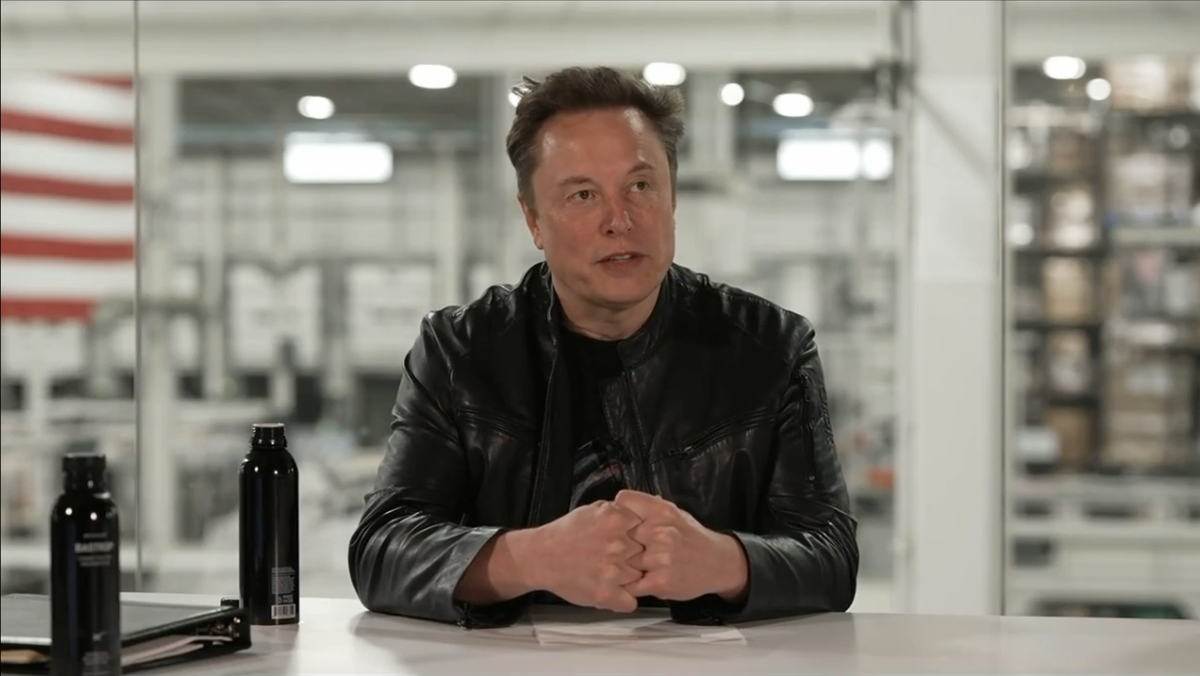
Physical limitations began constraining hardware deployment alongside financial pressures. Tesla Chief Executive Officer Elon Musk highlighted a severe infrastructure bottleneck termed “Stranded Compute”, pointing out that data centers faced critical power shortages that left newly purchased Nvidia graphics processing units sitting unused inside cardboard boxes.
sitting on a gold mine but lacking the strength to dig
Elon Musk, CEO of Tesla
Musk explained that while chip supplies and market demand remained high, incomplete buildings and a lack of electrical substations prevented operators from connecting advanced processors to the power grid. This infrastructure bottleneck placed immense pressure on smaller Neocloud providers.
With credit markets restricting debt issuance for firms lacking independent cash flows outside of data center operations, more than 200 smaller cloud rental and GPU hosting companies faced severe financial peril.
Manufacturing Automation and Industrial Applications
Despite capital and power constraints, major industrial groups integrated AI models directly into manufacturing lines to secure measurable economic returns. CATL Chairman Zeng Yuqun addressed the limitations of current AI models and emphasized the link between AI and energy. CATL sees opportunity from battery demand for data centers, computing, and electrified vehicles. He also mentioned prospects for expanding electrification from road transport to aviation and maritime.
BYD Chairman Wang Chuanfu emphasized that Chinese manufacturing internationalization required establishing localized factories, supply chains, and jobs rather than simply exporting finished goods. This strategy underpinned broader automation and industrial AI expansion.
In the robotics sector, Unitree Robotics CEO Wang Xingxing said that algorithms approached critical breakthroughs during 2026, though commercial deployment faced hurdles. Hardware manufacturers showcased advanced machinery at the Robot Festival held on November 17, where more than 500 humanoid robots developed by companies such as Agibot and Unitree performed synchronized demonstrations.
Industry participants agreed that future viability depended on moving past technology showcases. Financial analysts and corporate leaders concurred that sustainable market success required verifiable productivity gains across manufacturing, energy, transportation, and financial services.