A Multi-Million Tourist Push Between ASEAN and South Korea
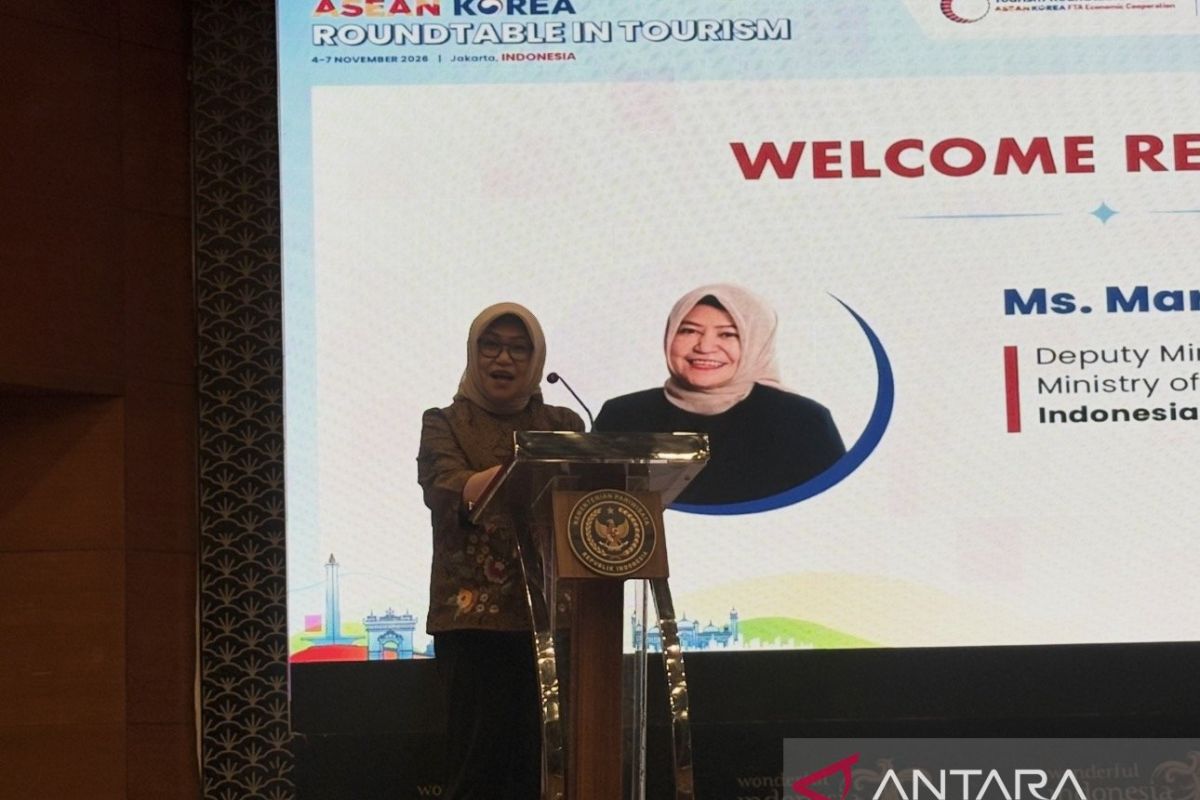
ASEAN member states and South Korea have set their sights on a significant expansion of regional travel, aiming to increase two-way tourist exchanges from 13 million to over 20 million annually. This target, announced during the 2026 ASEAN-Korea Roundtable on Tourism (AKRT) in Jakarta, signals a definitive shift toward integrating digital travel solutions and standardizing service frameworks across borders.
For the average traveler, this shift might eventually mean fewer delays at customs or easier booking across different nations. For the tourism ministries involved, however, the goal is more clinical: moving beyond broad cooperation agreements toward tangible, measurable outcomes.
Martini M. Paham, the Deputy for Human Resources and Institutions at Indonesia’s Tourism Ministry, emphasized that the focus is now on the “travel customer value chain.” By piloting joint initiatives and aligning service standards, the participating nations hope to create a more cohesive ecosystem. This strategy is not merely about volume; it is deeply embedded in Indonesia’s 2025–2029 National Medium-Term Development Plan and the broader Golden Indonesia 2045 vision, which prioritizes high-quality, sustainable tourism over sheer headcount.
Building Bridges Amid Political Flux
The initiative arrives at a complex time for South Korean leadership. Following the impeachment and removal of former President Yoon Suk Yeol in December 2024—which stemmed from a brief declaration of martial law—the nation has undergone a significant political transition. Lee Jae-myung took office in June 2025 after a snap election. The administration currently deals with a divided National Assembly while managing a host of domestic challenges, ranging from household debt and housing costs in Seoul to the long-term demographic hurdle of a low fertility rate.
Despite these internal pressures, the tourism sector remains a vital pillar of South Korea’s soft power. The “Korean Wave,” or Hallyu, continues to drive global interest in the country’s culture, food, and media. Hyun Sun Hong, Executive Director of the Korea MICE Bureau and representative of the Korea Tourism Organization, described the recent roundtable as a bridge for sharing knowledge and strengthening regional ties.
The Mechanics of Regional Connectivity
The two-day event in Jakarta functioned as a follow-up to an inaugural meeting held last year in Da Nang, Vietnam. Participants focused on four core themes:
- Improving travel safety and facilitation
- Strengthening systems to address travel barriers
- Developing human resources in the tourism sector
- Promoting understanding of cultural diversity
As the roundtable concludes, the focus shifts to technical working groups tasked with translating these discussions into concrete institutional measures. These groups will essentially be the ones determining whether the ambitious 20-million-traveler target is a realistic outcome or merely a policy aspiration.
The program includes a technical visit to Taman Mini Indonesia Indah on November 7, intended to provide participants with a firsthand look at Indonesian cultural heritage. This visit highlights the underlying challenge of the initiative: reconciling the rapid, digital-first modernization of travel infrastructure with the preservation of the diverse, local experiences that draw tourists to the region in the first place.
While the target is ambitious, the success of this partnership depends on how effectively these nations can harmonize their disparate regulatory environments. With technical working groups now in the driver’s seat, the real test will be whether they can bypass the bureaucratic inertia that often stalls such multinational agreements. For now, the push toward a 20-million-exchange goal remains a primary indicator of how South Korea and ASEAN intend to use their mutual economic interests to stabilize and expand their respective tourism sectors through the remainder of the decade.