Kim Jong Un personally accepted credentials from ten foreign ambassadors on Sunday, the first time in more than 30 years that a North Korean leader has performed the diplomatic ritual.
The ceremony at the Workers’ Party headquarters in Pyongyang came days “after U.S. President Donald Trump” left Asia without meeting Kim, despite repeated public overtures during the APEC summit in China. North Korean state media framed the event as a declaration of sovereign diplomacy: Pyongyang will expand ties with countries that respect its independence, but it will not trade security guarantees for a summit with Washington.
- Kim received envoys from Russia, Sweden, Indonesia, Vietnam, Brazil, Czech Republic, India, Philippines, Thailand, Bangladesh on Nov. 22.
- Trump departed Asia Thursday after meetings with Xi Jinping and Vladimir Putin; no Kim-Trump meeting occurred.
- Kim said the DPRK “neither pursues supremacy nor expansion” and defended its military buildup as self-defense.
- Seoul’s unification ministry said the ceremony appeared intended to reinforce Kim’s status as head of state, both domestically and internationally.
Protocol broken, message delivered
The credential ceremony is traditionally handled by the chairman of the Standing Committee of the Supreme People’s Assembly. A constitutional revision in March transferred the authority to the chairman of the State Affairs Commission — a post Kim holds — clearing the way for Sunday’s appearance.
Photos released by KCNA showed Kim in a formal suit and necktie, flanked by Foreign Minister Choe Son Hui, greeting each ambassador and posing for photographs. The envoys represented a geographically diverse group: Russia, Sweden, Indonesia, Vietnam, Brazil, the Czech Republic, India, the Philippines, Thailand and Bangladesh.
The security situation in the DPRK and the political and military environment in East Asia urgently demand that we provide for ourselves the power and capability with which we can be fully ensured of security and confidence in peace.
Kim Jong Un
Kim tied the military buildup to what he called an unstable global environment. “The world is now witnessing an unstable security crisis and political and economic chaos round the globe,” he said. “The present international situation is bringing about a significant change in our understanding of national sovereignty and security.”

Trump’s outreach, Pyongyang’s silence
Trump had signaled he might meet Kim during his China trip for the APEC summit. He met with Xi Jinping and Vladimir Putin in Shenzhen but left Asia on Thursday without a Kim encounter. Trump told NBC News the two leaders had not met because of his crowded schedule, adding they would meet “at some point.”
The Wall Street Journal reported Saturday that Trump’s attempts to establish contact with Kim since last year have repeatedly gone unanswered.
Kim and Trump held summits during Trump’s first term aimed at curbing North Korea’s nuclear program. Those negotiations produced no concrete agreement. Since then, Pyongyang has enshrined its nuclear status in law, declared its arsenal permanent and irreversible.
A shift toward multipolar diplomacy
Lim Eul-chul, a professor at Kyungnam University’s Institute for Far Eastern Studies, described the ceremony as a signal of “multipolar sovereignty-based diplomacy.”
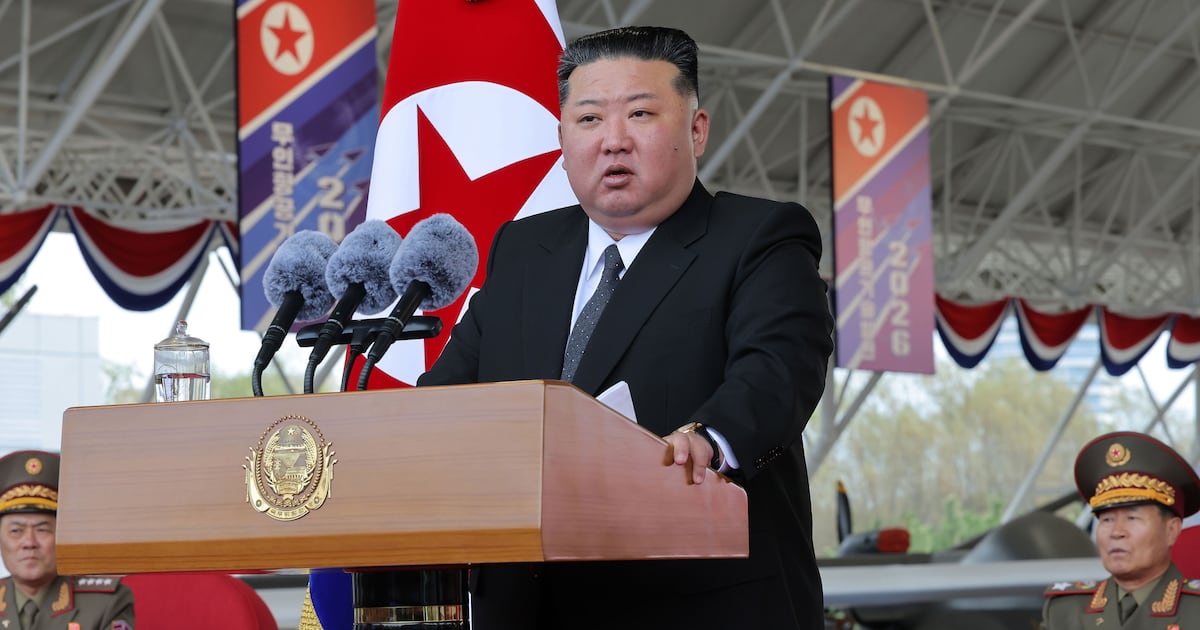
By welcoming ambassadors while remaining unmoved by Trump’s diplomatic overtures, the North has signalled a shift towards what could be described as ‘multipolar sovereignty-based diplomacy’.
Lim Eul-chul, professor at Kyungnam University’s Institute for Far Eastern Studies
Lim said the move also demonstrates Kim’s willingness “to actively shape the changing international order as the head of a sovereign state.” South Korea’s unification ministry offered a more restrained reading.
Spokesperson Yoon Min-ho said the ceremony appeared aimed at projecting Kim’s standing as head of state at home and abroad, and characterized Kim’s remarks as a reaffirmation of Pyongyang’s longstanding positions on defense and sovereignty rather than a policy shift.
Kim Jong Un Defines North Korea’s Diplomatic Stance
At the credentials ceremony, Kim Jong Un declared that Pyongyang’s diplomatic goal is to “expand and develop foreign relations under the ideals of independence, peace and friendship on the principle of defending the national sovereignty and security,” according to the official Korean Central News Agency.
Russia ties deepen as U.S. talks stall
The presence of Russia's ambassador showed Pyongyang's deepening alignment with Moscow. North Korea has also cemented its ties with Russia by deploying troops to aid Moscow’s war effort against Ukraine.
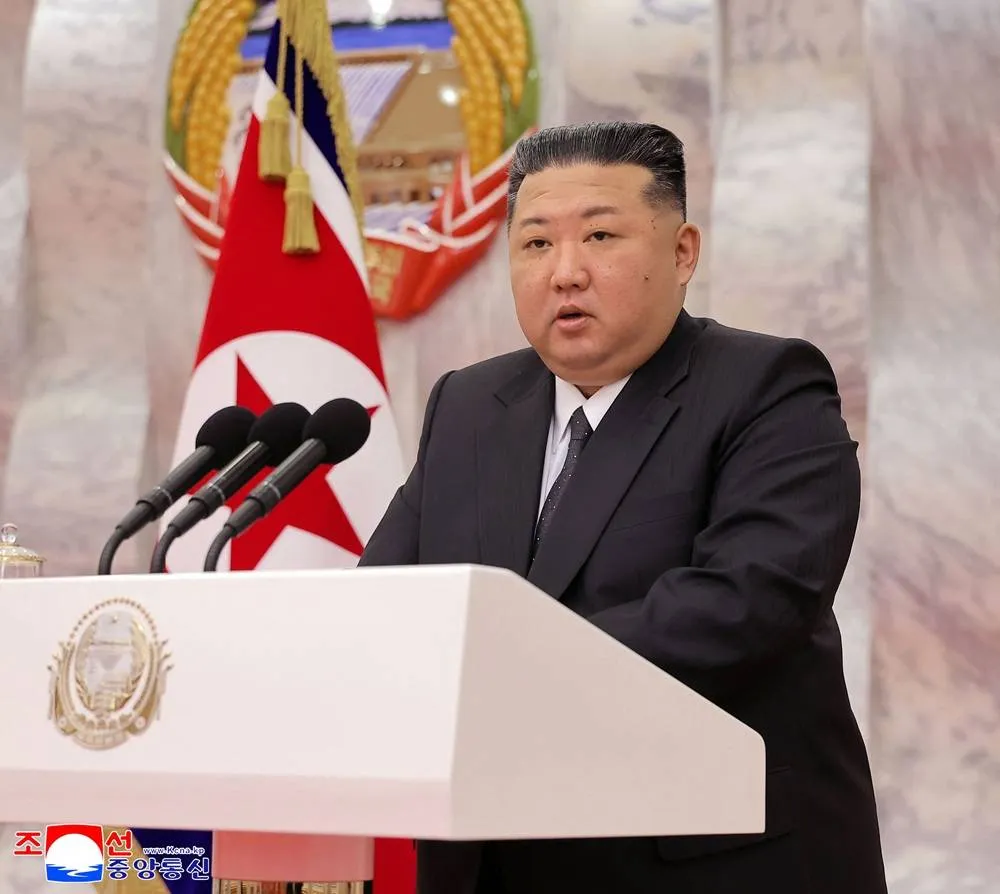
Kim told the assembled diplomats the DPRK is “ready to strengthen the ties of friendship and cooperation with all other countries that respect the sovereignty of our state and are friendly towards us.” He added: “High-handedness and pressure have nothing to do with the foreign policy of the DPRK.”
The next diplomatic test may come if Trump follows through on his statement that the two leaders will meet “at some point.” For now, Pyongyang has staged its own diplomatic moment — one that required no American president to validate.
Earlier coverage: Kim Jong Un Receives 10 Foreign Ambassadors' Credentials in Pyongyang