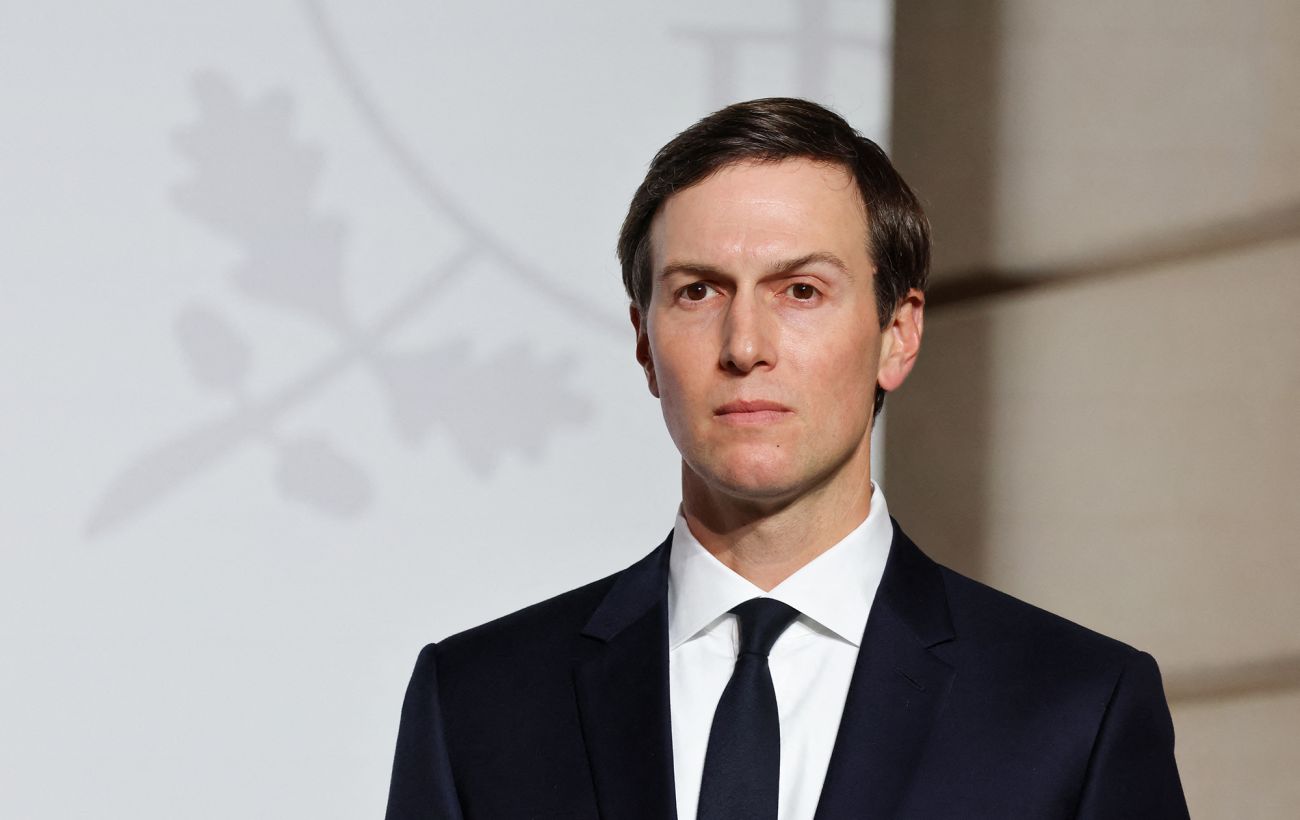
U.S. presidential envoy Jared Kushner defended Russian leadership in a 70-minute interview released November 27, sparking sharp rebukes from lawmakers in Kyiv and European capitals.
- Kushner called Vladimir Putin a “grandmaster of politics” and a historic figure during an interview published on November 27.
- Oleksandr Merezhko called for Kushner and Steve Witkoff to be removed from peace negotiations.
- Kushner claimed the conflict had “effectively become a proxy war” where Europe arms Ukraine.
Kushner’s Assessment of Putin and the War
Speaking with Mathias Döpfner, chief executive of Axel Springer, Kushner outlined his views on diplomatic talks and security arrangements in an interview released on November 27. He praised the Russian leader’s preparation and demeanor while asserting that Putin showed restraint by deciding against using nuclear weapons. As Donald Trump’s son-in-law and a prominent negotiator in Gaza, Iran, and Russia, Kushner brought his perspective as a businessman to the international brief he took on a year prior. During the discussion, he explained that he had to learn the complex algorithm of Europe and get abreast of local issues with Ukraine. He remarked that he believes economics and geopolitics go very closely together, viewing the Russian leader much like a corporate executive willing to close a deal if provided the correct economic incentives.
Furthermore, he noted that Putin possesses a very deep grasp of the issues, holds very firm positions, and takes extensive notes during meetings. While Kushner acknowledged that Russia does not currently appear interested in a ceasefire as a first step toward ending the conflict, he argued that Washington is attempting to build a postwar security framework involving Ukraine, Russia, and Europe that could eventually persuade Moscow to halt its invasion.
He also maintained that the war did not stem from unprovoked aggression to destroy the Ukrainian state, but rather from bad decisions and miscalculations by many leaders over the years, alongside misunderstandings and poor communication regarding NATO’s eastward expansion.
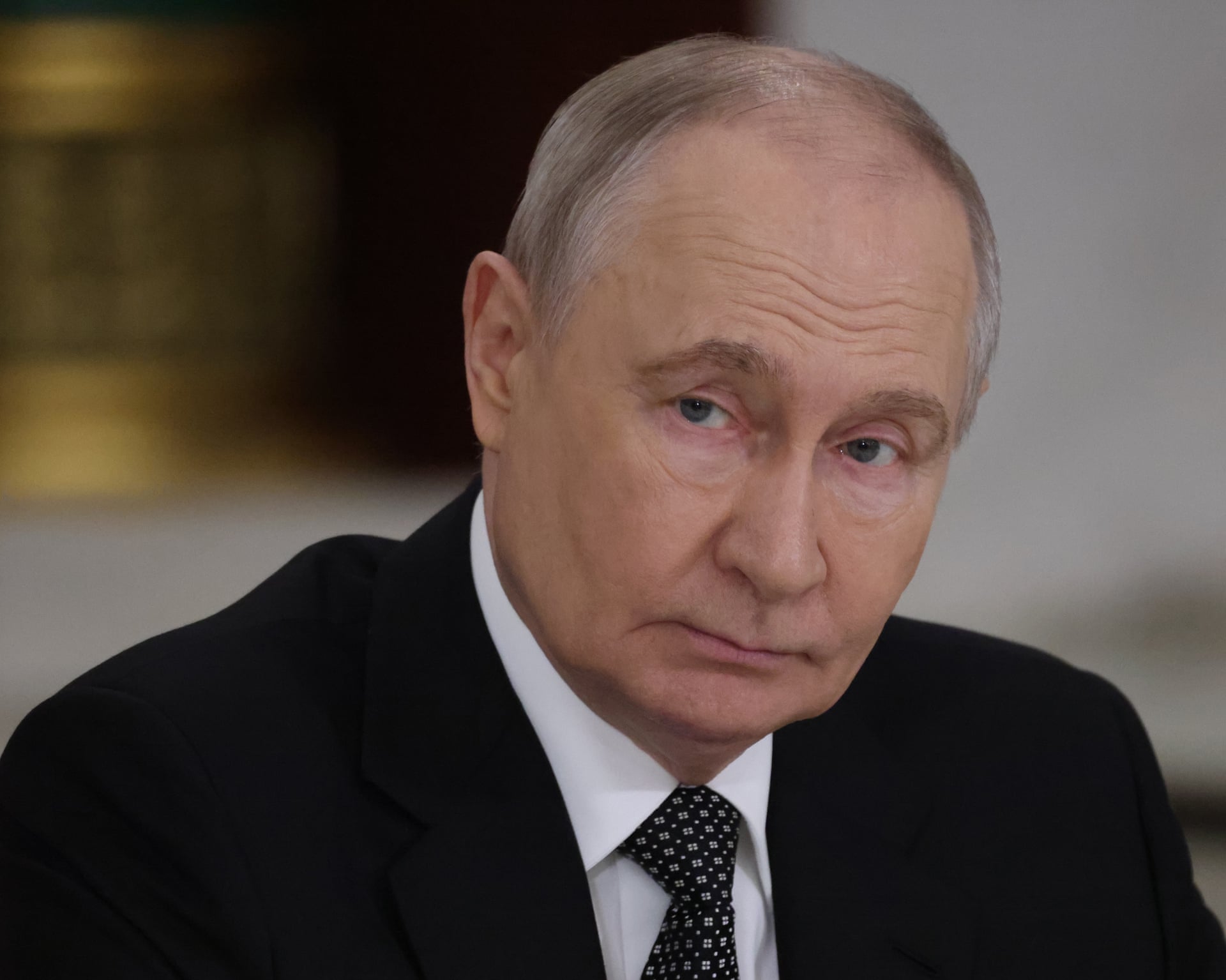
“Putin – people can like what he has done, they can not like what he has done – [but] he is a grandmaster of politics,” Kushner said during the conversation, as reported by The Guardian. He also described the conflict as a proxy war driven by European funding and arming of Ukraine.
Political Outrage in Kyiv and European Capitals
The remarks drew immediate condemnation from Ukrainian officials. Oleksandr Merezhko, head of the Verkhovna Rada’s Foreign Affairs Committee, argued that the envoys viewed the conflict “through the eyes of Putin himself” rather than as neutral arbiters. German lawmaker Roderich Kiesewetter from Chancellor Friedrich Merz’s Christian Democratic Union stated that Washington was not acting as an honest broker and was instead placing one-sided pressure on Ukraine, asserting that the United States is effectively on Russia’s side under Trump.
Meanwhile, Marie-Agnes Strack-Zimmermann, chair of the European Parliament’s Committee on Security and Defence, asserted that the envoy could no longer be taken seriously as a neutral mediator and labeled the claims pure Kremlin propaganda.
Kushner also mentioned during the interview that he maintains a close friendship with Russian envoy Kirill Dmitriev, whom he described as an incredible friend. Dmitriev, who heads the Russian Direct Investment Fund, was sanctioned by the U.S. Treasury Department on February 28, 2022, just four days after the full-scale invasion began.

This is extremely dangerous – not only for Ukraine but also for the security and national interests of the United States. I have long argued that Witkoff and Kushner need to be replaced. They view Ukraine not even as businessmen seeking deals with Russia, but through the eyes of Putin himself.
Oleksandr Merezhko, Chair of the Ukrainian Parliament’s Committee on Foreign Affairs, via Українська правда
Halyna Yanchenko, another lawmaker from the Servant of the People party, stated that Kushner had effectively acted as an advocate for Russia by denying Ukraine’s status as an independent actor, warning that talk of warmer relations is a myth promoted by Moscow to influence the American team. European Parliament figures similarly denounced the framing, with Marie-Agnes Strack-Zimmermann characterizing the remarks as pure Kremlin propaganda.
Negotiating Stalemates and Postwar Visions
According to the Kyiv Post, Jared Kushner noted that Vladimir Putin does not seem inclined toward a ceasefire as an initial measure to conclude the hostilities in Ukraine.
Kushner depicted Moscow as open to a negotiated settlement and blamed Kyiv for delays in the peace process.
Criticism and European Backlash
Politico stated that Jared Kushner appeared to function somewhat as a defender of Russia during the interview, and added that the White House declined to comment when asked about the backlash.
European Pravda noted that Jared Kushner is trying to deal with Vladimir Putin as though he were the chief executive of a firm with whom concessions can yield a mutually advantageous agreement. The Guardian described Kushner’s stance on the war in Ukraine as naive bias in dealing with Russian aggression.

Disputed Origins of Stalled Negotiations
During the interview, Kushner attributed a setback in diplomatic efforts to an alleged Ukrainian attack on Putin’s residence in the Valdai region at the end of December 2025. That allegation was initially raised by Russian Foreign Minister Sergey Lavrov on December 29, 2025, when Moscow claimed that Ukraine tried to strike a presidential residence in the Novgorod region and stated it would reconsider its negotiating position.
Ukrainian President Volodymyr Zelensky denied the accusation, calling it a lie meant to undermine U.S.-led peace negotiations. Kushner stated that U.S. negotiators had begun making progress in November 2025 before the purported December strike pushed Putin back, and that subsequent efforts between February and September 2026 encountered a lack of flexibility as both sides sought to gain ground on the battlefield.
“Then there was the attack the Ukrainians did on Putin’s house at the end of December which I think pushed [Putin] back,” Kushner said during the podcast.
Jared Kushner returned to an informal advisory role in the second Trump administration in 2025, serving as a key intermediary in diplomatic negotiations regarding the Russian invasion of Ukraine. He subsequently received an official appointment as a special envoy for peace in 2026.
The claim, however, runs counter to subsequent findings by American investigators. The Central Intelligence Agency concluded that Ukraine had not targeted the residence itself, though Ukrainian drones had attempted to strike a military facility in the same region overnight on December 29.
President Donald Trump initially expressed anger over the report after receiving a phone call from Putin, but days later on January 4, aboard Air Force One, Trump publicly questioned the account and stated he did not believe the strike on the residence happened while acknowledging a separate incident nearby.