A newborn died in northern New South Wales after a free birth, with an inquest examining why the mother avoided hospital care despite medical warnings that her baby was in distress.
The New South Wales Coroners Court in Lismore is investigating the neonatal deaths of four babies born through unassisted free births or home births between 2022 and 2024. Deputy State Coroner Joan Baptie is hearing evidence during the two-week inquest to understand the advice given to mothers and the barriers keeping them from engaging with the healthcare system.
- Baby R died after a free birth at 43 weeks and one day of gestation.
- The mother was told by a doctor to seek urgent hospital care after an ultrasound revealed distress.
- Birth keeper Sita Kali advised the mother to go home, rest, and calm down.
- Expert midwives testified that a general mistrust of clinicians drives women toward unassisted births.
Medical Warnings and Advice from a Birth Keeper
As documented by ABC News & Headlines – Australian Broadcasting Corporation, an ultrasound showed that Baby R was struggling roughly three weeks past the due date of the mother, whose identity is protected by legal restrictions. A sonographer advised her to go immediately to Tweed Valley Hospital.
Instead of seeking clinical care, the woman contacted self-described birth keeper Sita Kali, also known as Mumma Sita. Counsel Assisting the Coroner Tracey Stevens told the court that the mother consulted Kali despite knowing she lacked medical training.
I was afraid to go to hospital and be forced into a caesarean. I still thought the baby was ok.
Baby R’s mother, via ABC News & Headlines – Australian Broadcasting Corporation
Ms Stevens said that Kali noted the mother’s anxiety and advised her to go home, rest, and calm down before making a decision.
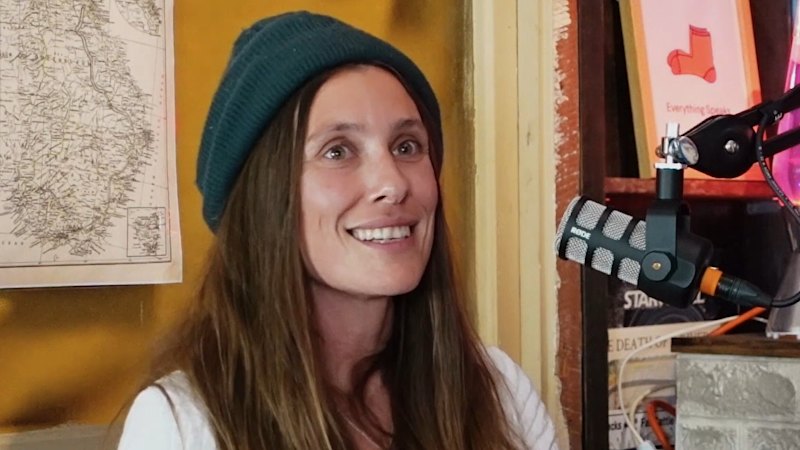
“a birth keeper [who] provides advice which allows women to make informed decisions as to the best way to birth their children” Kali described her role as “a birth keeper [who] provides advice which allows women to make informed decisions as to the best way to birth their children”, the court heard. said
The Free Birth and Subsequent Emergency Response
Within hours of receiving that advice, the mother went into labour at home. The child was born outside into his father’s hands at 9:51am, presenting with a white face, breathing difficulties, and faeces on his face, according to evidence presented to the court.
Ione Maslin, a doula present at the birth, told the inquest that she had been under the impression that Kali was clinically trained, though not a registered professional. Maslin testified that she suggested calling an ambulance when the baby appeared floppy and struggled to breathe, but the call was delayed.
The suggestion was made to go to the hospital but at the time we didn’t talk about an ambulance because … it was no longer a situation of despair.
Ione Maslin, via The Canberra Times
Emergency services were called about 14 hours after birth. The baby was pronounced dead at 12:22am on the way to a waiting helicopter. Post-maturity complications following birth at 43 weeks and one day were identified during proceedings as the probable cause of Baby R’s death.
Inquest Examination of Doula and Midwife Roles
Expert witnesses Professor Hannah Dahlen and Dr Alison Teate gave evidence regarding the broader landscape of unassisted births and home births. While noting that doulas and birth keepers do not possess clinical expertise, Professor Dahlen emphasized the importance of collaboration.
“I’d like to see us work together rather than this great divide,” Professor Dahlen said, adding that trust remains key to the safe delivery of infants.
Unregulated Birth Worker Practices
The coronial hearings in Lismore have scrutinised the financial arrangements and care provided by birth workers outside the formal health system, including a $2,000 fee paid to a doula named Amy Lou Smith to watch for warning signs during a home birth.
Counsel examining the cases heard that another doula, Ione Maslin, had attended up to 40 births without a midwife present despite lacking clinical qualifications. Maslin testified that she had mistakenly believed birth keeper Sita Kali was clinically trained, even though Kali was not a registered professional.
During the proceedings, a former registered midwife who subsequently advertised services as a birth keeper described how police and ambulance officers visited a heavily pregnant religious woman twice to encourage hospital attendance.
The midwife told the court that those official visits increased the mother’s reluctance to engage with health services, stemming from her Seventh-day Adventist faith and belief in her own capacity. Tests later revealed that one of her newborn twins died from a serious bacterial infection involving group B streptococcal disease.
Testimony Regarding Infant Distress and Medical Findings
Evidence presented to Deputy State Coroner Joan Baptie detailed the infant’s condition at birth, noting that the baby arrived with floppy limbs and let out only a small cry that was not typical for a newborn.
The infant’s parents remained concerned about lumps on his body and his purple colour, but the court heard that doula Amy Lou Smith reassured them that some babies take time to land. Smith told the court she did not notice the baby’s body turning purple and believed that parents with real concerns would call an ambulance rather than text a non-medically trained doula.
Expert medical evidence indicated that the newborn’s extended stay at home while deeply unwell meant death was the only possible outcome, although a neonatologist found a complex heart defect that could have been treated. The inquest continues as the court examines the barriers preventing parents from seeking timely emergency intervention and the legal boundaries governing unregulated birth support across the region.
Broader Coronial Inquest Details and Related Cases
The joint proceedings at Lismore Local Court encompass multiple infant tragedies occurring outside conventional medical oversight across regional New South Wales. The families of the four babies under examination chose not to participate in the legal inquiry. The deaths span several years, involving unassisted free births as well as planned home births managed by individual birth workers or former midwives.
Among the cases featured in the hearings is the death of another infant referred to as Baby DH, whose parents paid a Byron-based doula $2,000 for support services. Evidence regarding Baby DH indicated that the newborn displayed breathing difficulties and unusual skin coloration shortly after birth at home.
Testimony presented to Deputy State Coroner Joan Baptie showed that the doula involved in Baby DH’s care departed the premises to set up an inflatable jumping castle for a family birthday while the newborn remained in distress.
Another matter examined by the court involves a religious mother in the Hunter Valley region who experienced police and ambulance visits at her home during her pregnancy. A former registered midwife testified that these uninvited official attendances aimed at encouraging hospital attendance instead increased the mother’s resistance to clinical care.
The mother ultimately gave birth at home to twins without medical assistance, later losing one of the infants due to an infection. The midwife told the court that the woman relied on her own research and religious convictions derived from the Seventh-day Adventist faith when deciding against hospital-based antenatal checks and induction recommendations.