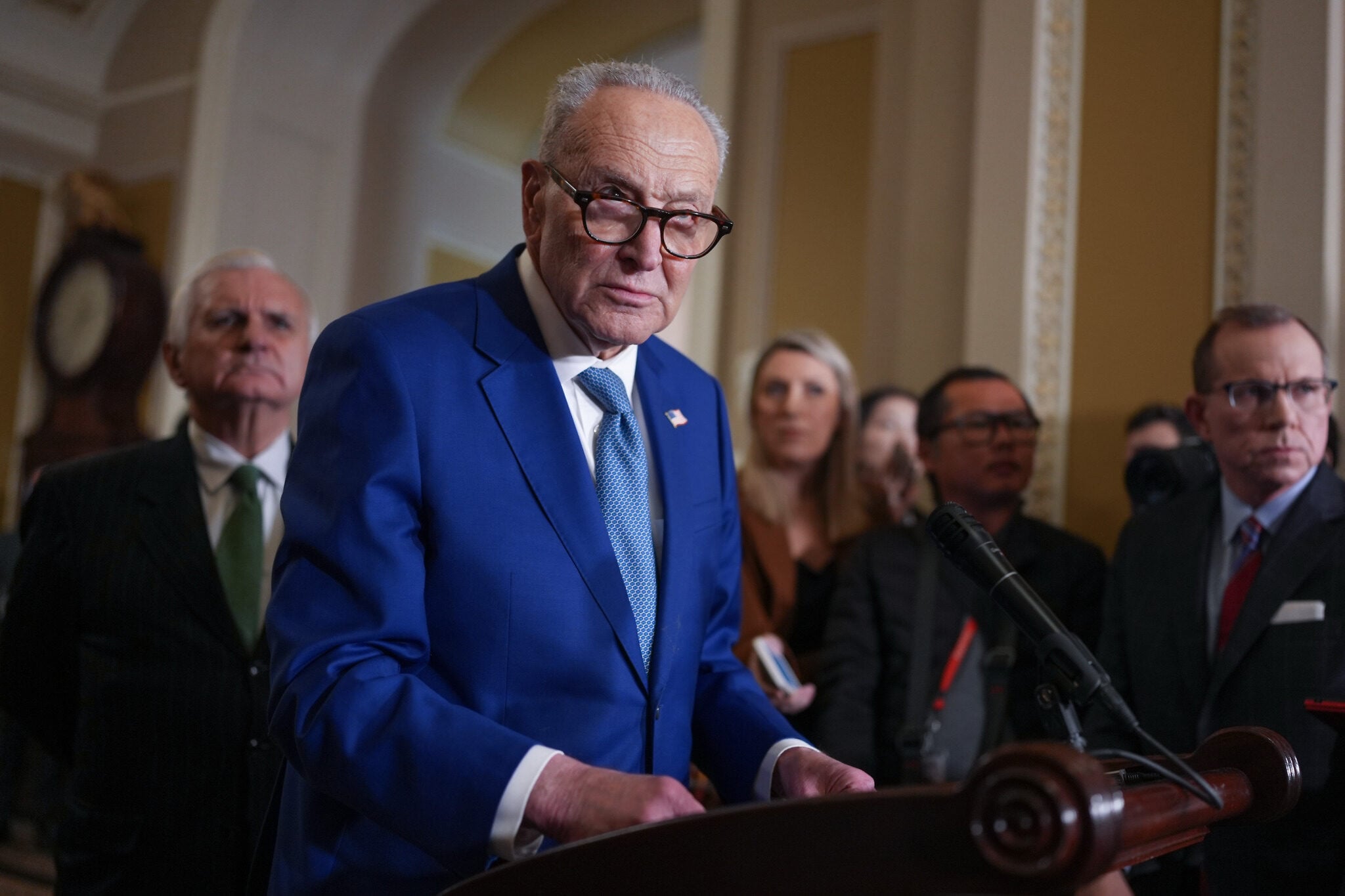
Chuck Schumer steered Senate Democrats to a 56-seat majority in the November midterms, only to face a challenge for the leadership post he has held since 2017.
The New York senator, 76 on Monday, is the clear favorite in the secret-ballot election set for December 1. At least 16 caucus members have publicly committed to backing him; six say they will vote for his rival, Maryland Senator Chris Van Hollen.
Joe Biden promised to be a transitional president, then misread the meaning of the '22 midterms and changed his mind, to his own detriment and the country's. There's a lesson in that for @SenSchumer, who deserves a great deal of credit for the massive Dem victories this year but…
The very size of the victory — nine flipped seats, the largest Democratic midterm gain since 1958 — has fueled the argument that the caucus needs a new voice.
“We write first to thank you,” leaders of the populist Working Families Party wrote in a November 13 letter to Schumer. “If you step aside at the height of a victory you helped secure, you would show voters that the Democratic Party heeded their call for change.”
Van Hollen Frames Race as Culture Change
Van Hollen, 67, has run an increasingly public campaign, arguing that the midterm results reflect a “hunger for change” that goes beyond opposition to President Donald Trump. On CNN’s “State of the Union,” he cited two incoming senators who won despite Schumer’s backing of their primary opponents, and criticized the leader for aligning with powerful pro-Israel and cryptocurrency interests in those races.
“I'm in this to win it,” Van Hollen said Thursday. “That's my goal. I think if we want to move forward on an ambitious agenda like this, we need new leadership. We need to change the culture of the Democratic caucus. People need to have more input. Our new members need to be at the table.”
Senator-elect Troy Jackson of Maine captured the sentiment: “He's been great, but I do think it's time for new ideas.” Progressive Senator-elect Abdul El-Sayed of Michigan pointed to Van Hollen’s experience chairing both House and Senate campaign arms and his willingness to take risks — including trips to advocate for a wrongly deported migrant and to draw attention to the war in Gaza.
Establishment Voices Urge Two-Year Bridge
Politico’s Jonathan Martin argued the same: announcing a 2028 retirement now would “tamp down his party's factional fights” and let Schumer write his own ending rather than appear chased out by the left — especially if Representative Alexandria Ocasio-Cortez enters the New York Senate race.
Schumer Projects Confidence, Swats Down Future Questions
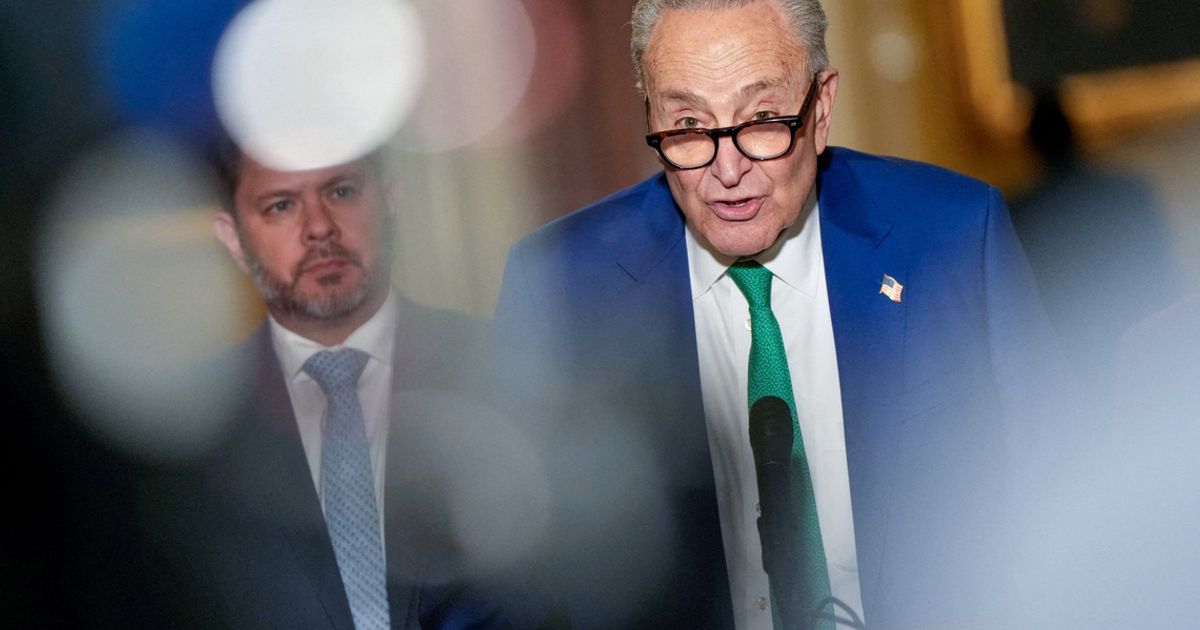
“I will be elected majority leader,” Schumer told reporters last week. On Wednesday he added, “I'm focused on 2027 and delivering for the American people.” A memo from Ocasio-Cortez’s campaign acknowledged she could run for president, Senate or reelection to the House in 2028 — a prospect that sharpens the stakes for Schumer, who is up for reelection that year.
Trump weighed in Sunday on Truth Social, saying the senator “failed badly as 'Leader' once before, one of the worst (in) history, and I have little doubt that he will fail again.”
Van Hollen Cites Primary Losses and Progressive Credentials
Van Hollen told co-anchor Martha Raddatz on “This Week” that maintaining the status quo will not earn the people’s trust. He said the midterm results marked a break from a status quo that is not working for working people and argued the caucus needs a bolder approach giving new voices more influence.
December 1 Vote Will Set Caucus Direction
The leadership contest is the only unresolved role among Congress’s top four positions. House Democrats nominated Hakeem Jeffries for speaker last week; John Thune will continue leading Senate Republicans and Jim Jordan will succeed Mike Johnson as top House Republican. Democrats formally take control of both chambers in January.
The secret ballot on December 1 will determine whether Schumer extends a decade atop the caucus or yields to the first contested Senate Democratic leadership race since 1994. As Senator Tim Kaine of Virginia put it, the fight reflects “a healthy discussion within the caucus about its future direction. And there's nothing wrong with that.”