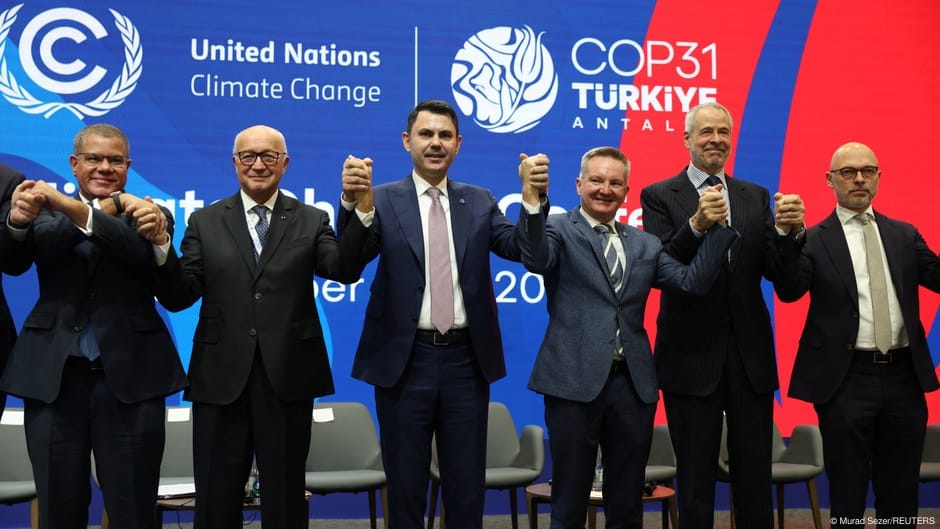
The UN climate summit in Antalya, Turkey, collapsed on Sunday without a final agreement after the European Union and several other nations rejected a draft that omitted any mention of fossil fuels, the primary driver of global warming.
Nearly 200 countries had negotiated for two weeks, extending talks past the scheduled deadline. The 10-page draft, released Sunday morning, stripped out all references to coal, oil, and gas — language that had been agreed upon at COP28 in Dubai just three years earlier.
EU Rejects Draft Over Fossil Fuel Silence
The European Union formally rejected the text. The bloc criticized the draft and said it could not accept an agreement that failed to name fossil fuels.
The EU was joined by the United Kingdom, Norway, Vanuatu, the Marshall Islands, Panama, and Belize in refusing to adopt the proposed Antalya Agreement. Under UNFCCC Rule 16, all unresolved issues now automatically roll over to COP32 in Addis Ababa, Ethiopia, scheduled for November 2027, according to Drishti IAS.
Guterres Condemns ‘Powerful Fossil Fuel Interests’
UN Secretary-General António Guterres said that the summit ended without a comprehensive agreement and warned that the world is on track to breach the 1.5°C limit. He directly blamed “powerful fossil fuel companies and their allied groups” for obstructing progress.

They are adopting the tactics of big tobacco companies. They are distorting scientific facts, delaying policy decisions, stopping action, and making huge profits, while people around the world pay the price.
Guterres also urged wealthy nations to fulfill their climate finance promises, stating “people’s lives depend on it.”
The ’35-by-35′ Electrification Target Divides Delegates
The draft included a proposal to increase the share of electricity in total final energy consumption from the current approximately 21 percent to 35 percent by 2035.
However, India and the Like-Minded Developing Countries (LMDC) opposed embedding such voluntary agendas into formal decisions without guaranteed finance and grid investment.
Climate Finance Gap Widens
According to a 2026 UNEP adaptation gap report, international public adaptation finance from developed to developing countries was between $28.2 billion and $31.7 billion in 2024, which was about one billion dollars more than the previous year. The report notes that developing countries will need $305 billion annually by 2035.
India Stays Constructive but Demands Equity
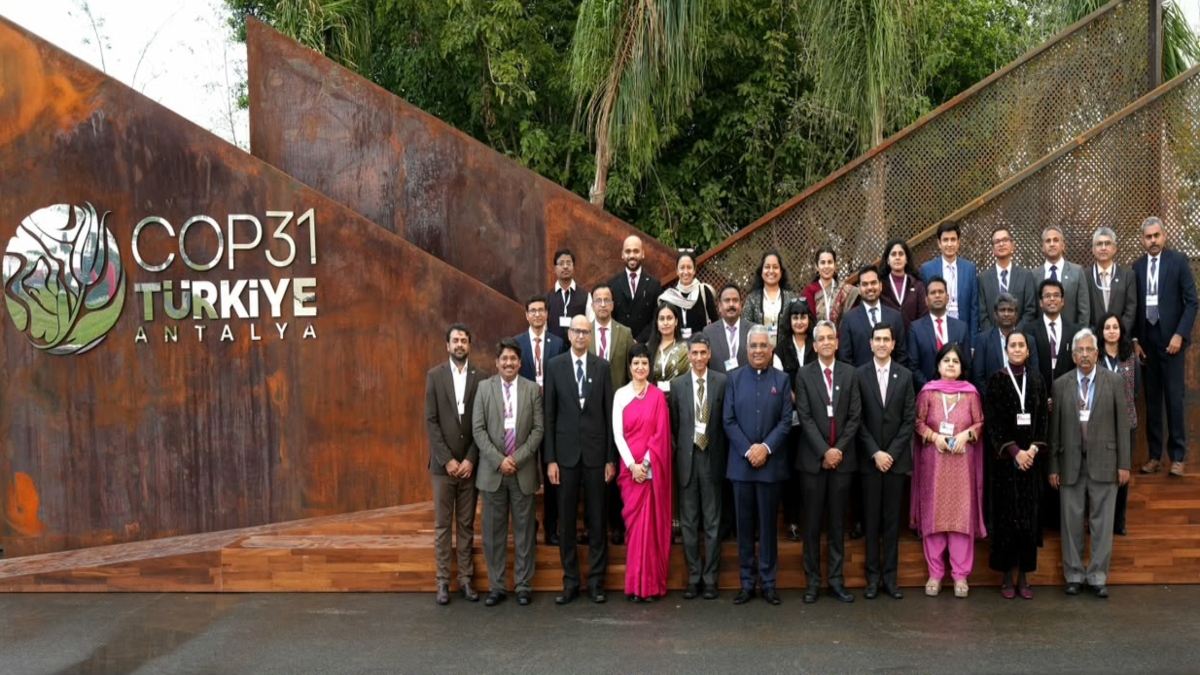
Environment Minister Bhupender Yadav expressed regret that consensus failed but emphasized India had negotiated constructively until the final hour. He reiterated that historical emissions from developed nations have consumed a disproportionate share of the global carbon budget, and that equity and climate justice must remain central to collective action.
Yadav noted India’s domestic progress, citing solar capacity surpassing 170 GW, and reaffirmed commitment to consensus-based multilateralism ahead of COP32. The absence of a final agreement does not mean climate action stops, he said.
Civil Society and Science Voices Denounce Outcome
UN Secretary-General António Guterres said he was “deeply disappointed” that COP31 ended without a comprehensive agreement and warned the world is on track to breach the 1.5°C limit. Guterres also insisted there is no ambiguity in scientific findings, even if consensus could not be reached at the negotiating table.
What Remains Unresolved
Carbon capture and storage technology was given prominent space in the draft. The 1.5°C limit, fossil fuel phaseout language, adaptation finance baselines, and the role of voluntary sectoral targets all remain contested.
As former UN climate chief Christiana Figueres put it, the failure to agree is deeply painful, though she cautioned against viewing the lack of a decision as a failure of the process itself. The next milestone is the 2028 global progress review, informed by scientific reports from the Intergovernmental Panel on Climate Change, ahead of the showdown in Addis Ababa.