International climate negotiations collapsed in Antalya on Sunday, ending the longest United Nations climate summit in history without an overarching agreement after deep divisions erupted over fossil fuels and climate finance.
Delegates from nearly 200 countries spent more than two weeks in Turkey wrestling with a final text that ultimately omitted any direct reference to oil, natural gas, or coal. The resulting impasse drew sharp rejections from European and climate-vulnerable delegations, sealing the first major breakdown of a UN climate deal since Copenhagen in 2009.
Deadlock Over Fossil Fuel Omissions
An initial draft of the summit’s cover decision featured explicit language calling for accelerated action to phase out fossil fuels. But subsequent drafts stripped those references away following intense pushback from major oil-producing nations, while also removing mentions of the historical responsibility carried by developed countries for causing climate change.
🌍 Are climate promises translating into action? At #COP31, countries launched a new global progress check as divisions persist over finance, fossil fuels and a just transition. With time running out, cooperation is crucial.https://t.co/IZoE92ynEm
Saudi Arabia defended the inclusion of carbon capture, utilization, and storage within the proposals, arguing that all available solutions must remain on the table so nations can select options matching their specific national circumstances.
Conversely, Vanuatu Climate Minister Ralph Regenvanu asserted that carbon capture and storage had received undeserved special attention, while civil society groups warned that reliance on such technologies merely distracts from the absolute necessity of cutting fossil fuel production.
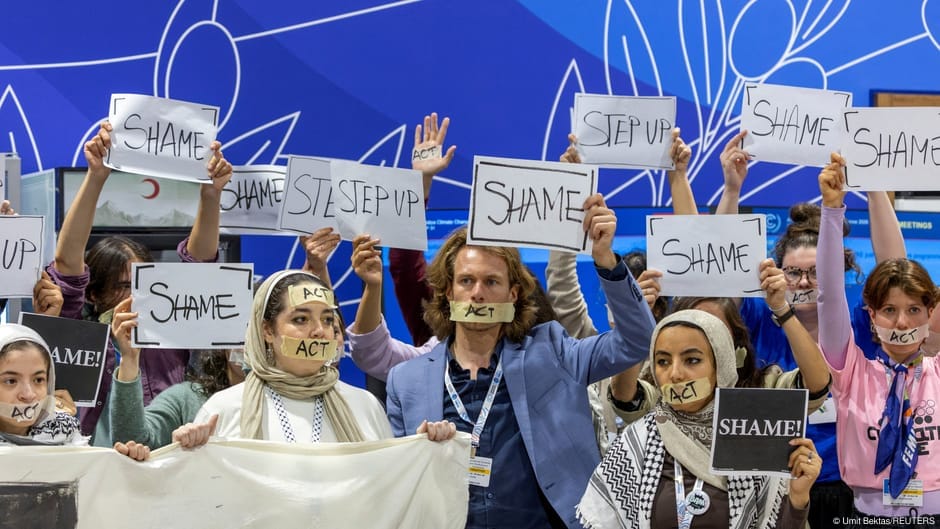
That deletion alienated the European Union, the United Kingdom, and numerous island nations facing existential threats from sea level rise. Irish climate minister Darragh O’Brien, helping lead negotiations for the EU, walked out of the discussions and rejected the proposal for greenwashing fossil fuels, joined by French Ecological Transition Minister Monique Barbut in condemning the text as a backward step.
And we will not accept negotiating backward in time, and we will not accept a COP that greenwashes fossil fuel.
Darragh O’Brien, Irish climate minister
Other delegations echoed those objections. Panama rejected the pact as a step backward that failed to acknowledge collective failures on global temperature targets, with environment minister Juan Carlos Navarro declaring that member states could no longer remain held hostage by petroleum producers. Norway’s climate minister, Sigrun Gjerløw Aasland, similarly warned that the draft took the international community backwards, while UK Energy Secretary Miatta Fahnbulleh termed the political breakdown immensely disappointing.
🌍 Calls for a stronger climate deal intensified as #COP31 reached its final scheduled day. Countries across regions demanded explicit action on fossil fuels and stronger climate finance. Read the report from Antalya 👇https://t.co/hrgsH3Zfb9
Defending the Text Amid Overtime Disarray
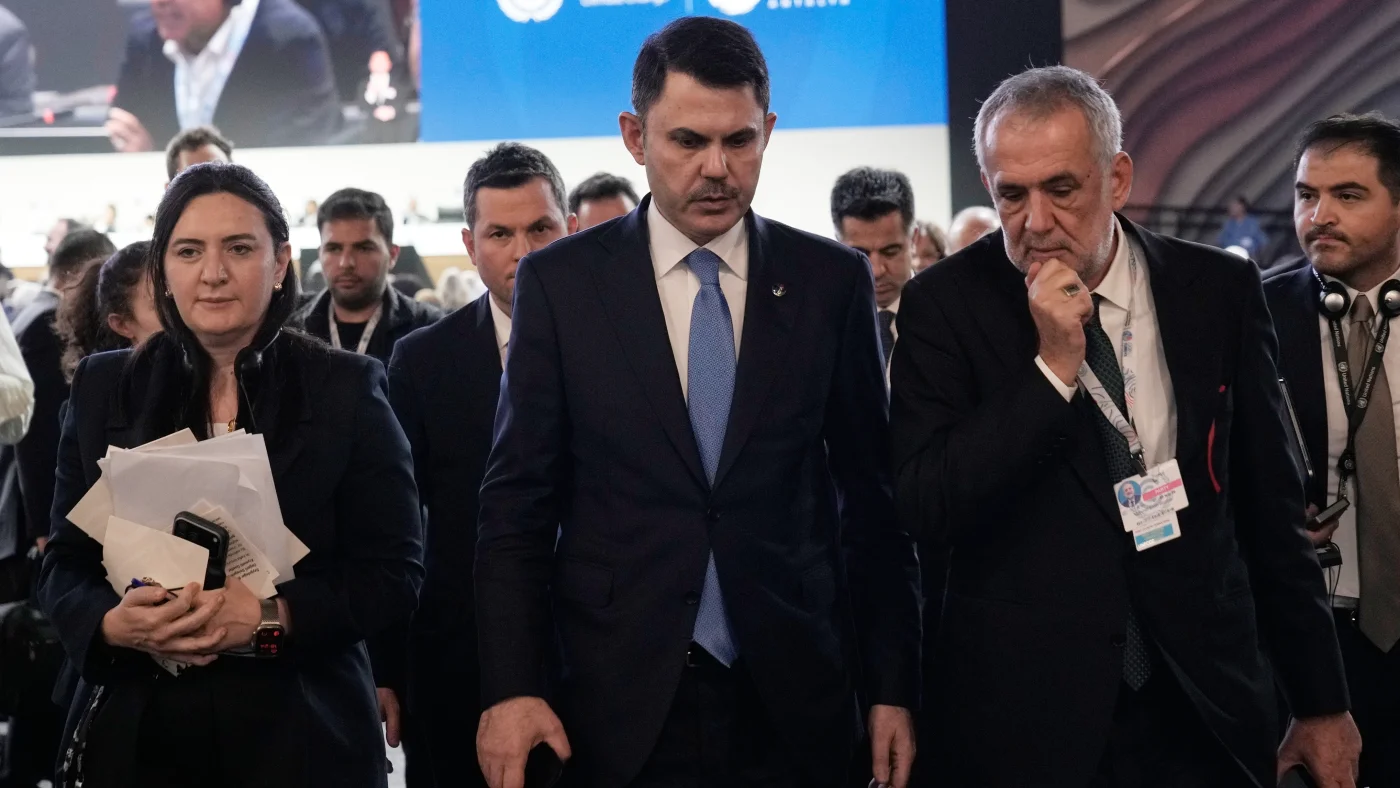
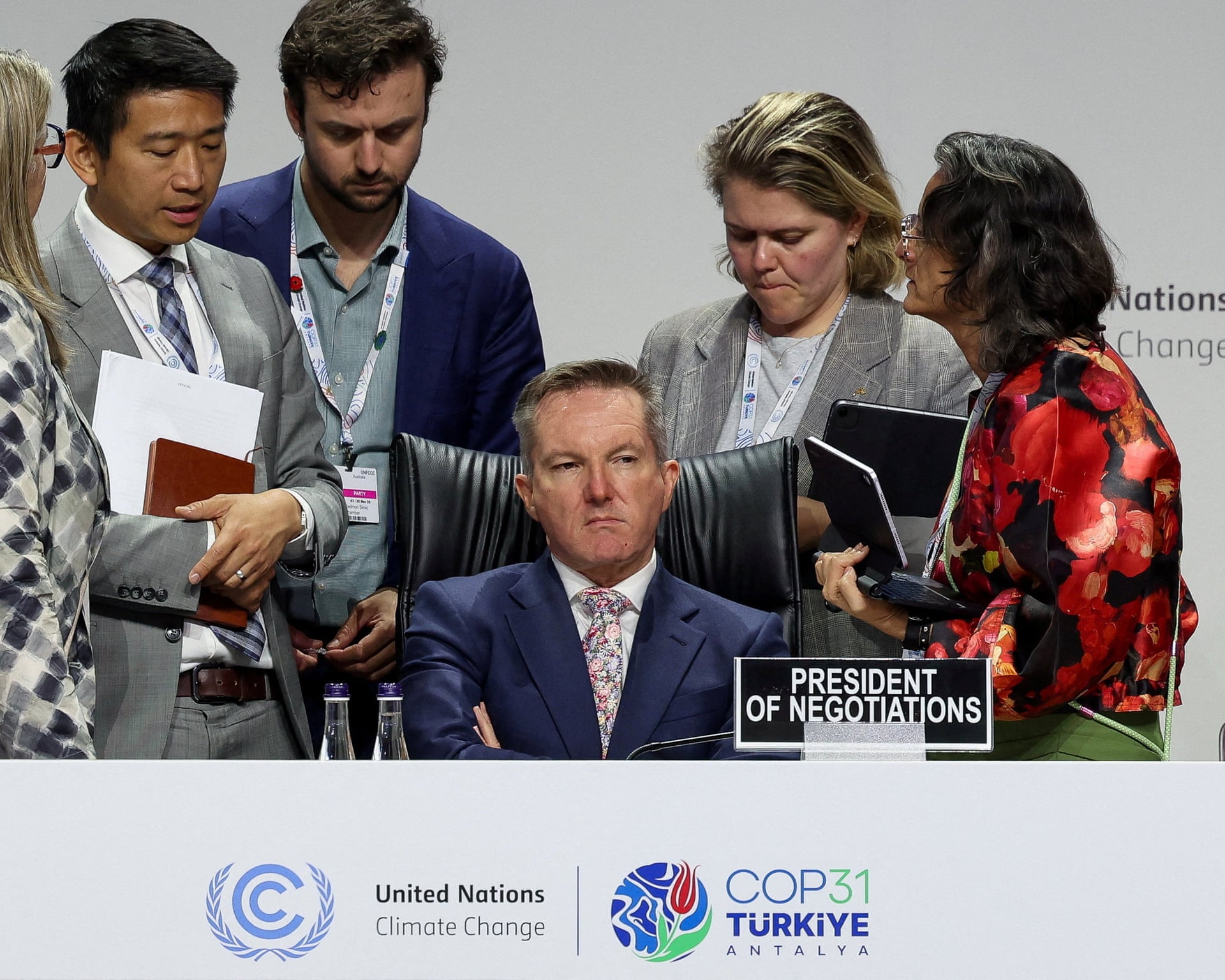
The summit stretched nearly two days past its scheduled Friday conclusion, becoming the longest UN climate conference on record. COP31 President Murat Kurum defended the final text during Sunday’s fraught closing plenary, insisting that the presidency had exhausted every avenue to forge consensus.
There is nothing to do, we did all that we could. Since there are 196 countries, they will make the decision and we will respect their decision.
Murat Kurum, COP31 President
“you should not hurt people in the world who really expect something out of this by just being hung up on one word or phrase,” COP31 President Murat Kurum said. UN Climate Change Executive Secretary Simon Stiell briefed journalists in Antalya during the tense proceedings, later urging delegates to remember that the broader UN climate process has weathered previous setbacks and must emerge stronger.
Pakistan urged delegates to keep working toward bridges rather than barriers, while Ghana accepted the terms to preserve multilateralism, noting that Africa has always chosen to build cooperation rather than walk away. Meanwhile, Australia’s climate minister, Chris Bowen, told reporters that transitioning away from fossil fuels remains inevitable in the real world despite the official outcome.
Wealthy Nations Fail to Provide Clear Adaptation Funding
Beyond fossil fuel terminology, financial commitments proved to be a severe fracture line. Poorer nations argued that wealthy industrialized states failed to deliver clear funding mechanisms to help developing regions adapt to intensifying heatwaves, droughts, and sea level rise.
The rejected agreement had proposed pathways for tripling adaptation finance by 2035 without mentioning a specific funding figure, noting that developing countries require roughly $300 billion annually. Harjeet Singh of the Fill the Fund campaign accused wealthy nations of demanding greater climate ambition while refusing to supply the necessary financial backing.
Global Experts Assess Historic Breakdown
Rachel Cleetus, climate-program director at the Union of Concerned Scientists, said that large ice sheets and glaciers are continuing to melt as global temperatures rise. Mary Robinson, former president of Ireland and a COP veteran, criticized the summit for exhibiting a shameful lack of urgency and leadership regarding the dangers of temperature overshoot.
Mohamed Adow, director of the energy think tank Power Shift Africa, called COP31 the worst ever climate conference and urged that its collapse serve as a wake-up call for the world. Denise Cauchi, chief executive of Climate Action Network Australia, said that negotiators failed to broker an agreement because of deep divisions over fossil fuels and money.
Global Leaders and Activists Denounce the Failed Text
Amnesty International climate justice policy adviser Ann Harrison denounced the failed text as a colossal betrayal, writing that countries were right to reject a document that omitted fossil fuels while promoting risky technologies.
Sara Shaw, campaigns and networks director at 350.org, criticized the COP31 presidencies for looking the other way despite repeated calls from nations to build upon the Dubai commitment. UN Secretary-General António Guterres wrote on social media that the world cannot afford a repeat of this moment and urged countries to learn lessons from Antalya.
Ethiopian foreign minister Gedion Timothewos, whose country will preside over COP32, stated near the end of the conference that Ethiopia aims to restore hope, rebuild trust, and mobilize collective action at the next summit in Addis Ababa. Former Canadian environment minister Catherine McKenna told reporters that there is no way to achieve a valid UN agreement without explicitly addressing the underlying problem.
Now that #COP31 has concluded, I want to send a message to civil society, young people, Indigenous Peoples, scientists & frontline communities: Keep spreading the facts. Keep demanding #ClimateAction. Keep turning up the heat. Hold governments and companies to account.… pic.twitter.com/Nvsp2FOHeh
Countries Establish Parallel Pacts for Electrification and Geothermal Energy
Although the formal Antalya agreement failed to secure consensus, delegates managed to establish smaller parallel pacts on the sidelines of the summit. More than 90 countries threw their support behind a prominent electrification initiative designed to increase the share of global energy consumption met by electricity from 23 percent to 35 percent by 2035.
Additional separate frameworks pursued global geothermal energy expansion by 2050 and the construction of greener freight corridors. Outside the formal negotiating rooms, a separate collaborative effort known as the Transition Away from Fossil Fuels initiative continued gaining momentum among participating nations.

United Nations Secretary-General António Guterres expressed deep disappointment over the collapse while emphasizing that existing frameworks established in prior years remain legally binding. The next annual UN climate summit, COP32, is scheduled to take place in Addis Ababa, Ethiopia, in November 2027.
I'm deeply disappointed that #COP31 has ended without consensus on an overarching outcome. I share the very profound frustration of all those who expected governments to rise to the moment the climate crisis demands. But this setback does not change the facts. There may be no… pic.twitter.com/SBMZPpfU5l