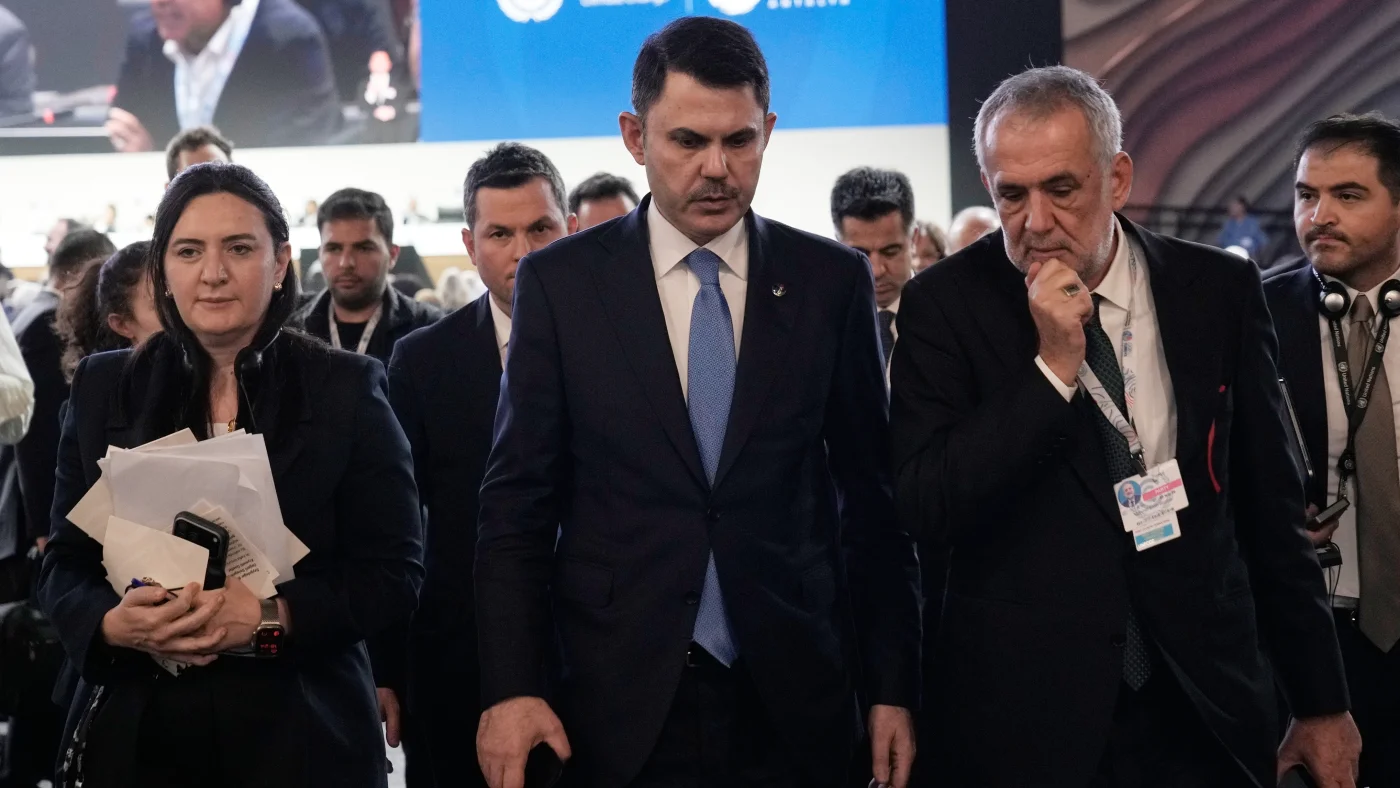
International climate negotiations at COP31 in Antalya, Turkey, collapsed on Sunday ending the longest-ever United Nations climate summit without an agreement.
The two-week conference ran two days into overtime. It broke down after deep divisions erupted over fossil fuels and climate finance.
A coalition led by the European Union, Pacific Island nations and Latin American countries rejected the final draft text. The text completely omitted references to coal, oil and gas as the primary drivers of global warming.
The Dispute Over Fossil Fuels and the Antalya Pact
The central point of contention was the absence of language addressing fossil fuels in the proposed Antalya Pact.
🌍 Are climate promises translating into action? At #COP31, countries launched a new global progress check as divisions persist over finance, fossil fuels and a just transition. With time running out, cooperation is crucial.https://t.co/IZoE92ynEm
An initial draft published on Monday mentioned fossil fuels six times. It called for an immediate transition away from them in energy systems.
An initial draft published on Monday mentioned fossil fuels six times. It called for an immediate transition away from them in energy systems. Those references were stripped out of subsequent drafts. Oil-producing nations, including Saudi Arabia and Russia, mounted staunch opposition.
Delegates from nations vulnerable to climate change argued that leaving out the root cause of global heating rendered the text unacceptable.
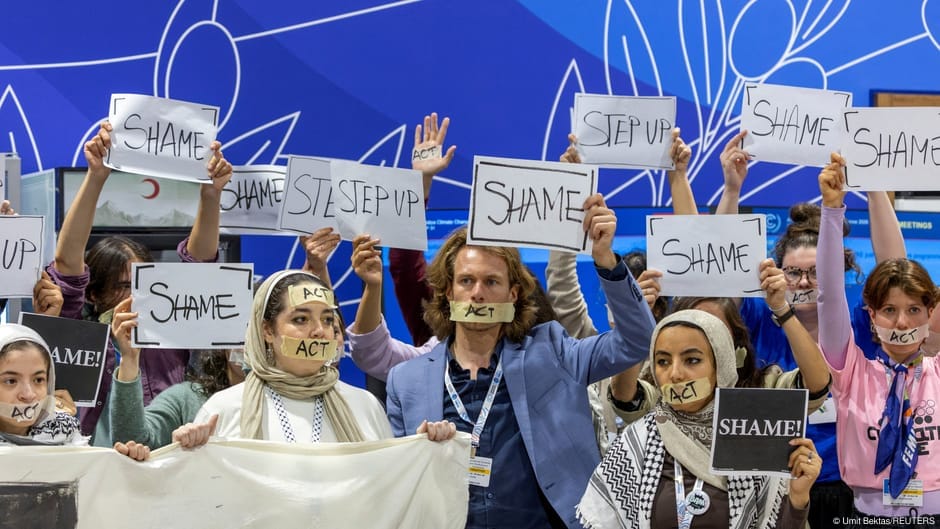
“That is not acceptable,” said Rob Hoekstra. Dutch Climate Minister Rob Hoekstra said, “We do that with a heavy heart with many other countries, but we simply cannot accept this.”
Ireland’s climate minister, Darragh O’Brien, condemned the omission as “unconscionable.” He added that the European Union would not endorse a deal “that does not even mention fossil fuels.”
Now that #COP31 has concluded, I want to send a message to civil society, young people, Indigenous Peoples, scientists & frontline communities: Keep spreading the facts. Keep demanding #ClimateAction. Keep turning up the heat. Hold governments and companies to account.… pic.twitter.com/Nvsp2FOHeh
Other delegations echoed those sharp objections. Norway’s climate minister, Sigrun Gjerløw Aasland, warned that the draft takes us backwards.
Panama’s environment minister, Juan Carlos Navarro, said before the collapse that the country would formally reject any deal omitting fossil fuel issues. The Marshall Islands also objected, stating we will not compromise our future to benefit fossil fuel interests.
We will not endorse a cover decision that does not even mention fossil fuels, the driver of climate change…. And we will not accept a COP that greenwashes fossil fuels.
European Union delegation, via CBC
Defending the Text and Rejection of Consensus
COP31 President Murat Kurum defended the final text at the closing plenary. He argued that the presidency had operated fairly and without coercion.
I'm deeply disappointed that #COP31 has ended without consensus on an overarching outcome. I share the very profound frustration of all those who expected governments to rise to the moment the climate crisis demands. But this setback does not change the facts. There may be no… pic.twitter.com/SBMZPpfU5l
This text was not imposed on anyone. We did not force people to accept it. But it seems that there are parties that object to this text. I understand that there is no agreement on this text.
Murat Kurum, COP31 President and Turkey’s environment minister, via ABC News
Kurum said that you should not hurt people in the world who really expect something out of this by just being hung up on one word or phrase.
Representatives for oil-producing nations supported the final draft’s omissions. Saudi delegate Mohammad Ayoub argued that Arab nations engaged in good faith while accounting for only a small share of historical emissions.
🌍 Calls for a stronger climate deal intensified as #COP31 reached its final scheduled day. Countries across regions demanded explicit action on fossil fuels and stronger climate finance. Read the report from Antalya 👇https://t.co/hrgsH3Zfb9
Russian representatives cautioned against moving away from fossil fuels too quickly. They wanted to avoid provoking fuel poverty.
Wealthy Nations Failed to Fund Climate Adaptation
Developing nations blamed the breakdown on wealthy countries. Wealthy nations failed to provide adequate financing to cope with extreme weather events driven by rising temperatures.
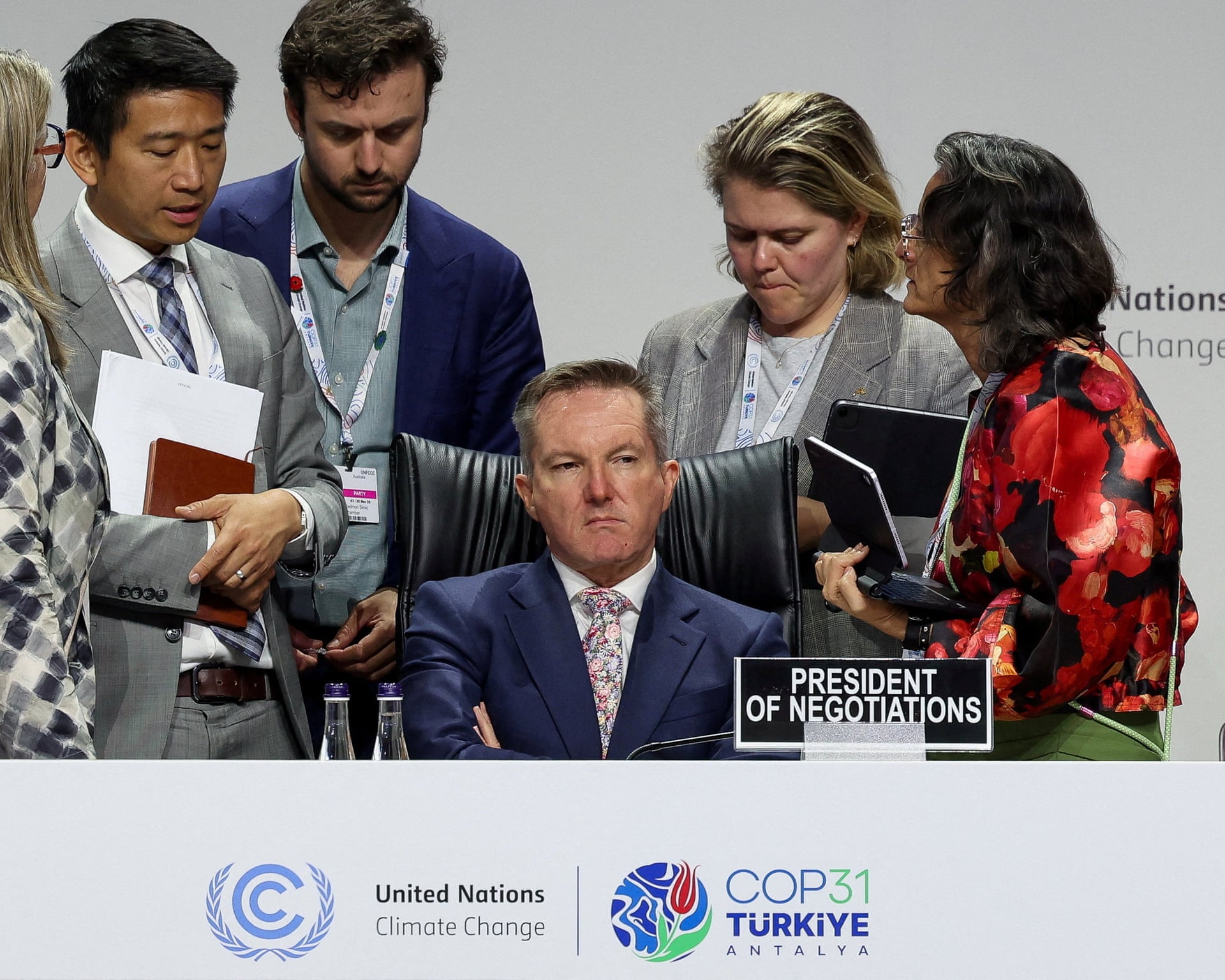
Poorer states pointed out that the rejected agreement contained no concrete financial figures or baselines for adaptation funding.
The United Nations estimated that developing nations require $305 billion annually by 2035.
Australia’s climate minister and COP31 negotiation president, Chris Bowen, called the outcome very disappointing. He said that bridging gaps between petrostates and climate-vulnerable nations was extremely difficult.
Fiji’s climate change minister, Lynda Tabuya, addressed Bowen directly during the final chaotic plenary session to defend his efforts. She said that the failure here is not yours to carry.
Union of Concerned Scientists climate-program director Rachel Cleetus said that melting ice sheets and glaciers are part of the widespread impacts facing the globe.
Ann Harrison, a climate justice policy adviser at Amnesty International, wrote that countries from across regions were right to reject the colossal betrayal attempted by the co-presidencies.
Power Shift Africa director Mohamed Adow called it the worst ever COP. He said that its collapse must serve as a wake-up call for the world.
Climate Action Network Australia chief executive Denise Cauchi said the talks failed to broker an agreement because they caved to hundreds of lobbyists pushing for carbon capture and storage technology.

Vanuatu climate minister Ralph Regenvanu said that carbon capture and storage had been singled out for special attention that it does not deserve.
East Africa team lead at 350.org Rukiya Khamis said that the mess made by states with vested interests in burning fossil fuels will be cleaned up by the people suffering the consequences.
🇪🇺 As #COP31 enters its final hours, Parliament's delegation wraps up a week of talks in Antalya 🇹🇷 "We cannot accept a text that no longer even refers to what we all agreed at COP28 on transitioning away from fossil fuels" – @lidiafopereira 🔗 https://t.co/Msrdkd0yAZ pic.twitter.com/QY9XyeaHpl
World Resources Institute president and CEO Ani Dasgupta said that when narrow national interests override collective responsibility, the entire world pays the price.
Reactions From Global Leaders and Observers
UN Secretary General António Guterres posted on X that he felt deeply disappointed regarding the failure to reach consensus.
UN Secretary General António Guterres posted on X that he felt deeply disappointed regarding the failure to reach consensus. He said that the world cannot afford a repeat of this moment. He urged countries to learn lessons from Antalya.
Johan Rockström, director of the Potsdam Institute for Climate Impact Research, warned that the situation amounts to catastrophic global warming.
Bill Hare, CEO of Climate Analytics, said that the consequences of the nonagreement for the COP process will become clear over the coming months.
Fatima Eisam-Eldeen, a fossil fuel researcher at the University of Barcelona, said that no agreement is better than a bad agreement. She urged that the answer to a disappointing COP lies in making multilateralism deliver rather than retreating from it.
Future Paths and Parallel Clean Energy Shifts
Outside formal negotiations, a separate initiative known as the Transition Away from Fossil Fuels has been gaining momentum among nations seeking faster action.
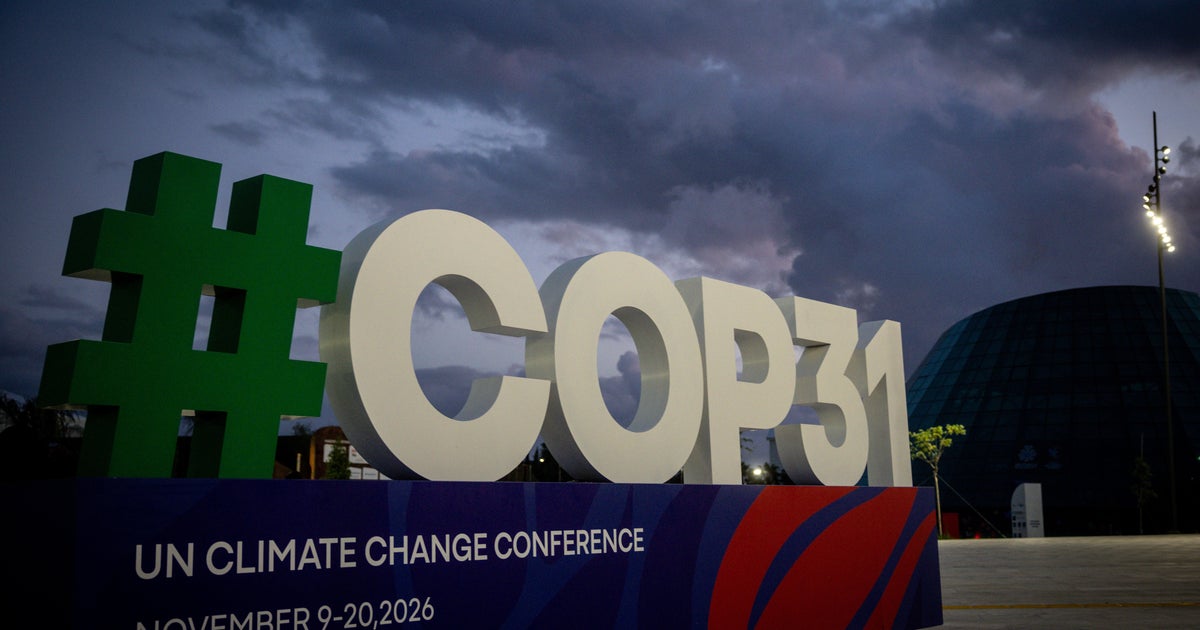
Participants at the summit said that existing climate frameworks remain operational as planning begins for the upcoming gathering in Ethiopia.
Guterres Expresses Deep Disappointment over Deadlock
United Nations Secretary-General António Guterres expressed deep disappointment over the deadlock.
United Nations Secretary-General António Guterres expressed deep disappointment over the deadlock. He said that there is no ambiguity in the science as global temperatures continue to break records and edge past the 1.5 degrees Celsius threshold established by the 2015 Paris Agreement.
While the main political agreement failed, delegates did achieve consensus on a just transition mechanism designed to support workers and communities shifting to clean energy. Existing frameworks from prior summits remain active.
The next United Nations climate conference, COP32, is scheduled to take place in Addis Ababa, Ethiopia, from November 8 to 19, 2027.