Stock market futures surged in early trading after a brutal weekly sell-off that pushed major indexes into correction territory.
- Dow Jones futures jumped 684 points, or 1.41%, heading into the short Thanksgiving week.
- S&P 500 futures climbed 2.1%, while Nasdaq futures advanced 2.89% in early action.
- Last week marked the worst weekly performance for the Dow and Nasdaq since March 2020.
Stock Futures Rebound After S&P Correction
U.S. stock futures pointed toward a recovery as trading got underway, offering investors a brief respite after a sharp technology-led decline. S&P 500 futures rose roughly 2 percent as trading commenced on Sunday evening. The bounce followed a steep weekly drop that left the S&P 500 down over 11 percent from its October peak, erasing most of its gains from the first nine months of the year.
The downturn pulled major benchmarks past the 10 percent threshold that traders define as correction territory. Dow Jones futures recovered towards 48,600 on Monday, while Nasdaq futures climbed toward 25,500 after briefly slipping below 24,000 during the previous week’s turbulence.
Artificial Intelligence Spending Worries Fuel Wall Street Selloff
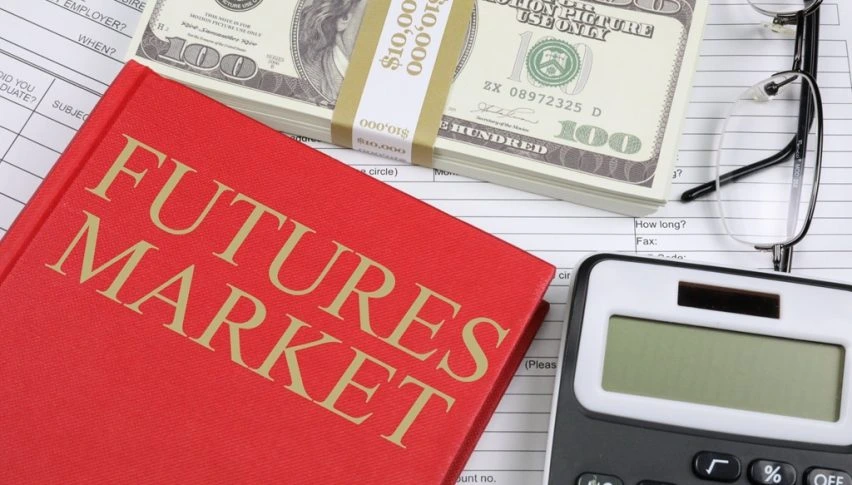
The market retreat centered on investor anxiety regarding the sustainability of artificial intelligence expenditures and high tech valuations. Market participants questioned whether heavy capital outlays for data centers would generate anticipated profits.
“The market is questioning whether today's spending will generate the profits investors had assumed, who will ultimately capture those profits and whether the A.I. earnings cycle is approaching a peak,” said Keith Lerner, chief market strategist at Truist Wealth.
The headwinds have grown stronger.
Stuart Kaiser, head of equity trading strategy at Citi
Kaiser described the recent losses as a severe setback after strong earnings reports failed to halt the decline. Additional pressure mounted as reports emerged regarding potential export restrictions on AI chips and heightened debt market borrowing by technology firms. Analysts said that institutional investors trimming exposure to match benchmark indexes contributed to the downward momentum.
If sustained, the sell-off in AI stocks will quickly weigh on economic growth, starting with a swing in the wealth effect and consumer spending. Americans’ wealth has taken a big hit, with U. S. stocks down almost 12% from their record high as of last Friday’s close, erasing over… pic.twitter.com/wwwShgYIdd
We don’t think we’re there yet.
Jeffrey Favuzza, an equity trading analyst at Jefferies
Favuzza pointed to ongoing portfolio adjustments by mutual and pension funds as a sign that the unwinding of the AI trade may still have ground to cover. Meanwhile, Treasury Secretary Scott Bessent cautioned the Federal Reserve against aggressive monetary tightening ahead of upcoming GDP and inflation reports, adding another layer of complexity for markets.
Economic Impact and Long-Term Forecasts for 2027
Economists warned that the stock correction could influence broader consumer spending through the wealth effect. Moody’s Analytics Chief Economist Mark Zandi estimated that consumer spending rises or falls by about 2 cents for every dollar shift in net worth over a one-year period.
Zandi calculated that if equity prices remain at current levels, the wealth effect could reduce real GDP growth by approximately 0.3 percentage points over the coming year. Despite these near-term risks, several major financial institutions maintained optimistic year-end projections for 2027, with firms like Morgan Stanley and Goldman Sachs forecasting the S&P 500 to reach 8,700 points.

Market Participants Evaluate Fed Rate Expectations
Market participants evaluated Federal Reserve rate expectations as stock futures opened higher, with Treasury Secretary Scott Bessent warning against aggressive Fed tightening.
Federated Hermes Sees AI Buildout Risks Overstated
Federated Hermes chief equity investment officer Steve Chiavarone argued that risks to the artificial intelligence buildout remain overstated.
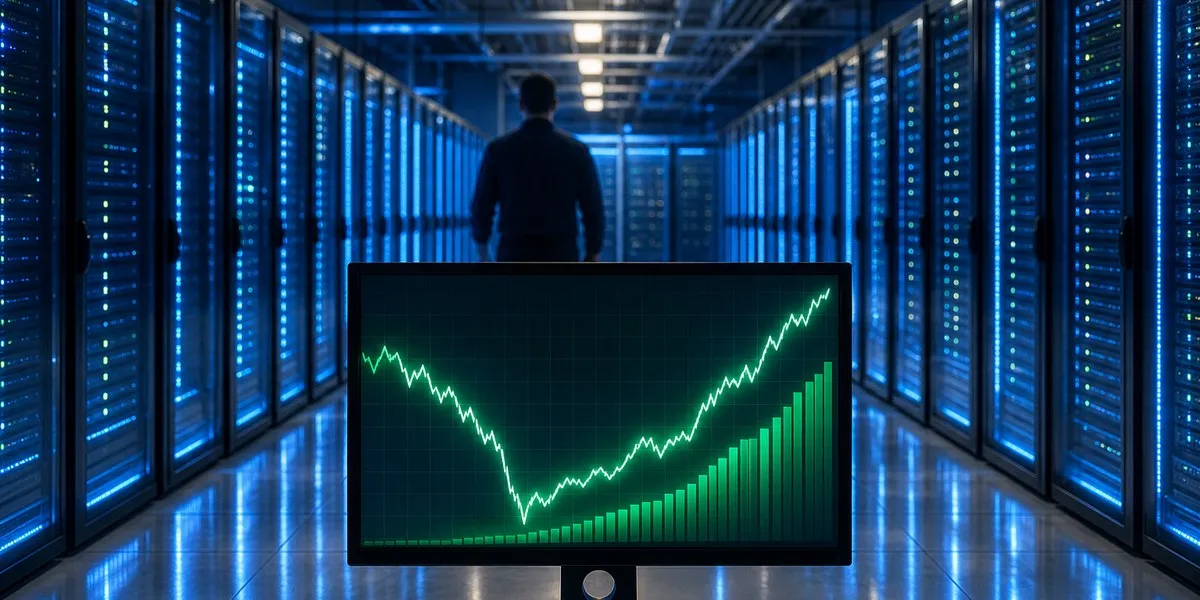
“A modest pullback in the data center buildout could give cash flows time to catch up, easing inflation pressures and making the investment boom more sustainable,” Steve Chiavarone, Federated Hermes chief equity investment officer, said.
Analysts Project S&P 500 Surge by Year-End
Market attention turned toward upcoming third-quarter GDP revisions, October Personal Consumption Expenditures inflation figures, and the Federal Reserve Beige Book. UBS Global Wealth Management and Wells Fargo projected the S&P 500 to hit 8,200 points, while Federated Hermes Chief Investment Officer for Equities Steve Chiavarone outlined a forecast reaching 10,000 points by year-end, representing a 45% surge from current levels.
Trading volumes are expected to remain thin as markets close for Thanksgiving on Thursday, November 26, with a shortened session scheduled for Black Friday on November 27.