Prime Minister Andy Burnham will tell Parliament on Monday that a landmark agreement struck in Brussels offers the country a realistic path to improve the coming decade.
The Brussels summit on November 20 delivered the most notable set of policy changes between Britain and the European Union since the formal exit in 2020. Negotiators finalized frameworks covering food exports, emissions trading, and youth mobility.
“It's not good enough for Britain.” Prime Minister Andy Burnham said. He framed the pact as the single biggest growth measure to be delivered in this parliament, projecting it will add £17 billion to the British economy.
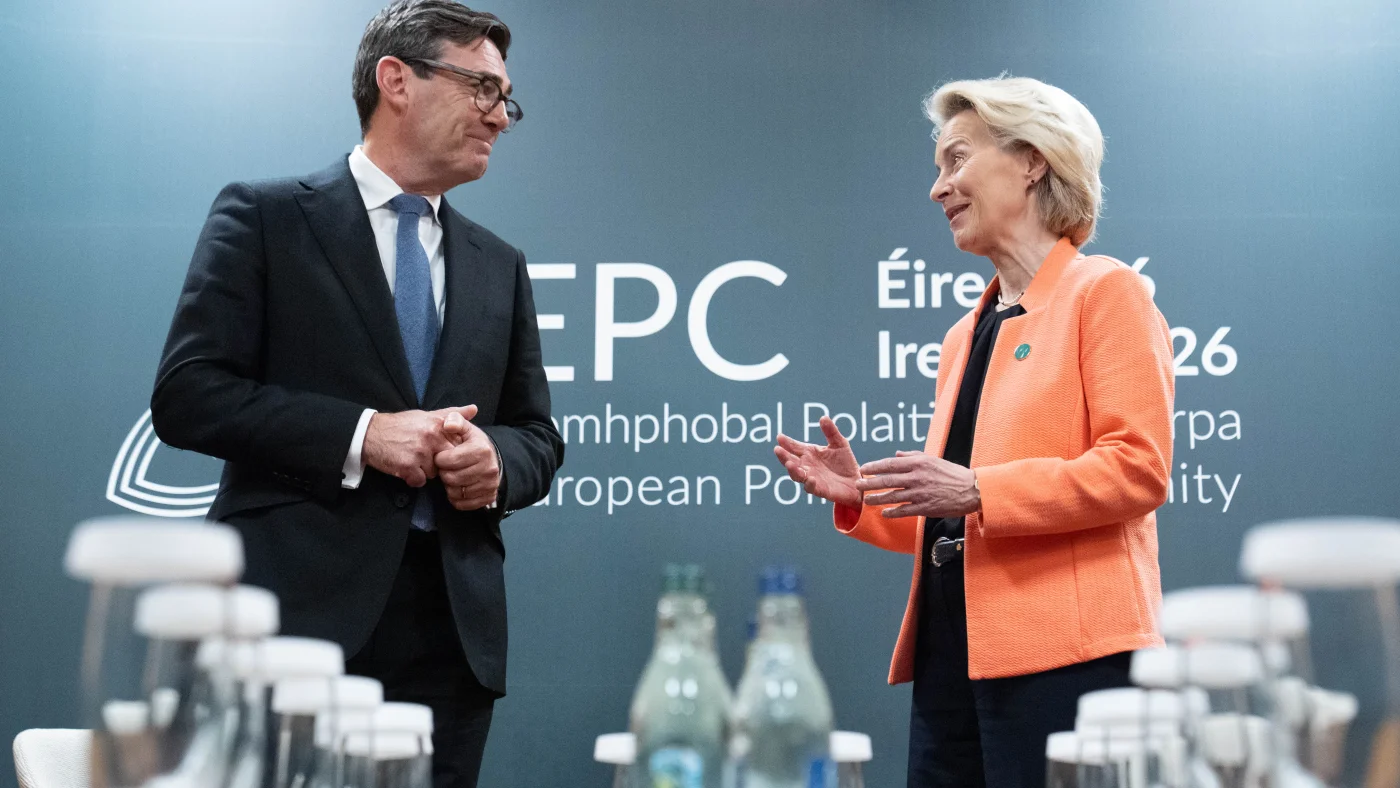
European Commission President Ursula von der Leyen called the agreement a turning point in relations during a joint press conference with Mr Burnham and European Council President Antonio Costa. Mr Costa said that the bloc respects Britain’s decision to leave while welcoming efforts to strengthen post-Brexit ties.
- The reset agreement includes a youth mobility scheme, an emissions trading pact, and the removal of agrifood border checks.
- The UK Treasury estimates the package will boost gross domestic product by up to 0.5 percent.
- University tuition fees and long-term integration remain under negotiation following sharp disagreements during the talks.
Youth Mobility and Tuition Fees
Youth Experience Scheme Details
The youth mobility arrangement will allow up to 100,000 young British adults to live, work, and study in EU countries, with an equal number of Europeans permitted to enter the UK. Participants aged 18 to 31 can spend up to three years abroad. The scheme is scheduled to take effect between 2028 and 2030.
Implementation of the mobility project hinges on a separate six-month negotiation window regarding university tuition fees. The EU is pressing for British universities to charge EU students the same home fees paid by UK residents, which currently stand at £9,790 per year, rather than full international rates.
British universities depend on higher international fees to balance their budgets. Industry leaders have warned that granting home-fee status to European students could worsen the financial strain on domestic higher education institutions.
Summit Agrees to Scrap Food and Animal Product Border Checks from March 2028
The summit produced an agreement to scrap certificates and border checks on food and animal products to ease post-Brexit trade. This common food-safety area is slated to begin on March 1, 2028, pending the outcome of the tuition fee talks.
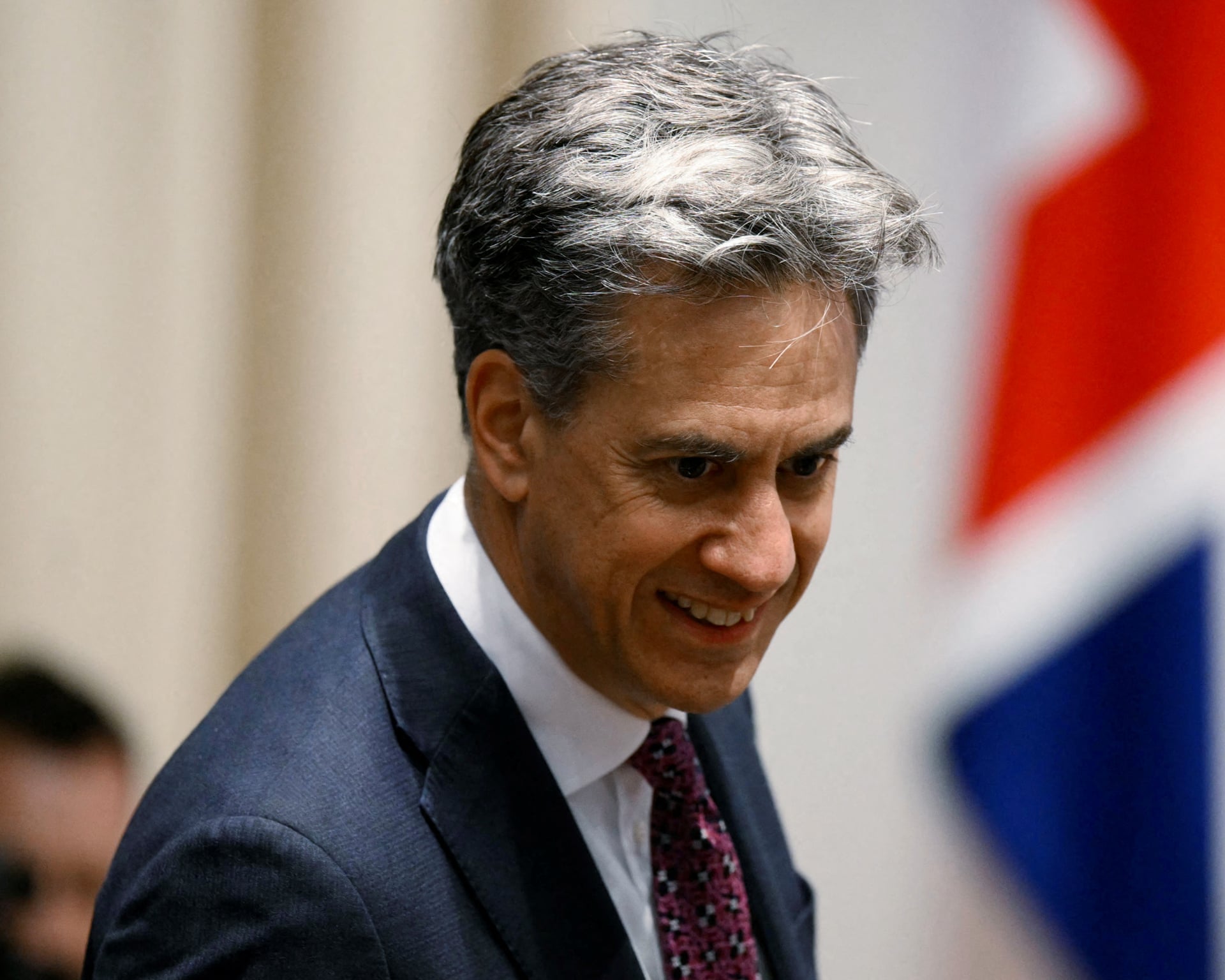
Foreign Secretary Ed Miliband defended the reset by pointing out the structural absurdity of the post-2016 arrangements. British businesses selling into European markets must comply with Brussels regulations while managing bureaucratic paperwork because the UK remains outside the single market.
At the moment, what the situation is that we are essentially rule takers. Businesses are rule takers if they want to sell into the European market. So they have to abide by the rules of the European Union, but at the same time, because we are not integrated into that market for food and agricultural products, they have to fill in a whole bunch of forms.
Ed Miliband, Foreign Secretary, via The Guardian
Foreign Secretary Ed Miliband defended the reset by pointing out the structural absurdity of the post-2016 arrangements. Both sides agreed to establish a structured migration dialogue and launch formal talks on economic security, export controls, and supply chains.
Opposition Leaders Criticize Deal over Farmer Rules and GDP Projections
The Brussels package drew immediate pushback from opposition figures and former prime ministers. Conservative Party leader Kemi Badenoch criticized the agreement, arguing that UK farmers will be forced to follow rules set in Brussels without British input.
Ms Badenoch also questioned the economic projections cited by Downing Street. She asserted that the Treasury’s modeling for a 0.5 percent GDP increase was unfounded, noting that modeling she had seen estimated the impact at 0.0 percent.
Reform UK leader Nigel Farage condemned the summit outcomes as a victory for Brussels. Former prime ministers Theresa May, Sir Tony Blair, and Rishi Sunak also voiced criticisms over the weekend, with Mrs May stating she was aghast by the deal and urging the current administration to move on.
Mr Burnham acknowledged that the current arrangements represent the limit of what can be achieved during this parliamentary term. Both sides plan to conduct informal brainstorming sessions to evaluate options for the long-term UK-EU relationship ahead of future parliaments.
Prime minister, you are always welcome in the European Union, said European Commission President Ursula von der Leyen, via Agence France-Presse.
As I say, that will be good for people in Britain and good for people in Europe, said Prime Minister Andy Burnham, via Agence France-Presse.
António Costa, the head of the European Council, said via Agence France-Presse that cementing close ties between the UK and the EU represents a vital wager on European security, economic vitality, innovative capacity, and resilience, adding that an economic foundation is essential for defense and that both regions gain strength together.
People can see the status quo isn’t working, said Prime Minister Andy Burnham, via Agence France-Presse.
According to Prime Minister Andy Burnham speaking via Agence France-Presse, recent polling indicates that three-quarters of citizens desire closer connections with the continent, a sentiment fueled by a decade characterized by stagnation, excessive friction, sluggish economic momentum, and inflated retail costs.
Prime Minister Andy Burnham said via Agence France-Presse that this initiative tackles the most pressing modern challenges and citizen anxieties head-on, specifically targeting household grocery expenses, utility bills, sluggish economic activity, and the operational costs borne by enterprises.
The Chancellor of the Exchequer is here today and he has confirmed today that the UK Treasury has said that the deal struck here will add up to 0.5% to UK GDP. That is a £17 billion boost to the British economy. It is the single biggest growth measure that we could take in this Parliament, said Prime Minister Andy Burnham, via RTÉ.
According to Prime Minister Andy Burnham, speaking through RTÉ, this cohort can finally sense that leaders in government roles are taking direct action to acknowledge their requirements for augmented support and expanded life chances.
Ursula von der Leyen, leader of the European Commission, said via Agence France-Presse that officials will tackle the matter over the coming month.
The reset follows a similar procedure to Britain joining the community in 1973, setting the stage for future parliamentary votes.
The UK-EU summit on November 20 marked the second formal meeting of its kind since the 2020 exit.
Public polling indicates shifting attitudes toward Brexit, with recent surveys showing that 58 percent of respondents believe leaving the EU was a mistake.
Both governments agreed to establish a structured migration dialogue, including engagement with and returns to third countries.
The youth mobility scheme will cap participation at 100,000 individuals annually from each jurisdiction.
Formal talks on economic security will address supply chains and export controls alongside energy and emissions trading.
Negotiators have given themselves a six-month window to resolve the tuition fee impasse before the scheduled March 1, 2028 implementation of the food export arrangements.
Prime Minister Andy Burnham will address Parliament on November 23 to outline the next steps for the implementation of the Brussels agreements.
The UK and EU have agreed to conduct informal brainstorming sessions to inform future parliaments about long-term relationship options.
The Treasury estimates the economic gain at 0.5 percent of gross domestic product, equivalent to about £17 billion annually by 2040.
The strategic partnership builds upon the initial UK-EU summit held in London on May 19, 2025.
The Windsor Framework, agreed under former Rishi Sunak, served as a foundational step for subsequent bridge-building efforts.

Former Prime Minister Theresa May presided over three years of initial Brexit exit negotiations during her tenure.
The common food-safety area is designed to remove border checks on animal and plant products in exchange for regulatory alignment.
Border restrictions and customs procedures have added continuous friction to cross-border commerce since the 2020 exit.
Asylum claims in the UK rose from about 40,000 annually before the pandemic to 100,000 afterward.
Small boat crossings across the English Channel reached over 45,000 in 2022, up from 1,800 in 2019.
Access to the Eurodac asylum database and the Dublin convention on returns was lost when Britain left the bloc.
Universities UK chief executive Vivienne Stern said in July 2026 that altering fee structures for EU students would negatively impact university budgets.
Integration of electricity markets could reduce wholesale power costs in Northern Ireland by up to 20 percent, according to government projections.
The Coalition of the Willing summit in Dublin on November 12, 2026, preceded the formal bilateral talks in Brussels.
Public support for Labour could rise by more than 7 percent if its manifesto pledged to rejoin the EU, according to weekend polling data.
The bilateral meeting in Dublin on November 12, 2026, set the agenda for the subsequent negotiations in Brussels.
Prime Minister Andy Burnham maintained that Britain will not rejoin the single market or customs union under current government policy.
Proponents of Brexit argue that accepting external rules and standards without a vote undermines national sovereignty.
The agreement includes provisions for cooperation on organized crime and the exchange of security information.
Ministers face internal debate within the Labour Party regarding how far to push integration with Brussels.
The Brussels summit concluded with joint commitments to pursue further talks on economic security and environmental standards.
Prime Minister Andy Burnham will outline the legislative timeline to MPs on November 23.
The formal talks on economic security and supply chain cooperation are scheduled to commence in the coming months.
Negotiators will continue discussions on university tuition fees over the next six months.
Implementation of the food export agreement is targeted for March 1, 2028.
The youth mobility scheme is expected to take effect between 2028 and 2030.
Informal brainstorming sessions on long-term relations will run throughout the coming year.
Further legislative decisions will be required in the next parliament to ratify any subsequent long-term integration agreements.
Both governments plan to publish detailed implementation schedules in upcoming joint statements.
The Treasury’s projected GDP gains are calculated with a target realization date of 2040.
Regular structured dialogues on migration and third-country returns will continue alongside security talks.
Parliamentary oversight and ratification procedures will apply to all finalized pacts before they take effect.
Negotiators will report back to their respective capitals as the six-month tuition fee review period progresses.
The next formal UK-EU summit will be scheduled in accordance with the ongoing annual dialogue process.
Domestic political debate over the direction of post-Brexit policy is expected to intensify ahead of future general elections.
The administration remains committed to fulfilling its 2024 general manifesto pledges while exploring incremental ties with Europe.
Economic monitoring units will continue to assess the projected £17 billion impact on national productivity.
Diplomatic channels between London and Brussels remain open as both parties address outstanding technical hurdles.
Final legislative texts for the trade and mobility packages are subject to review by parliamentary committees.
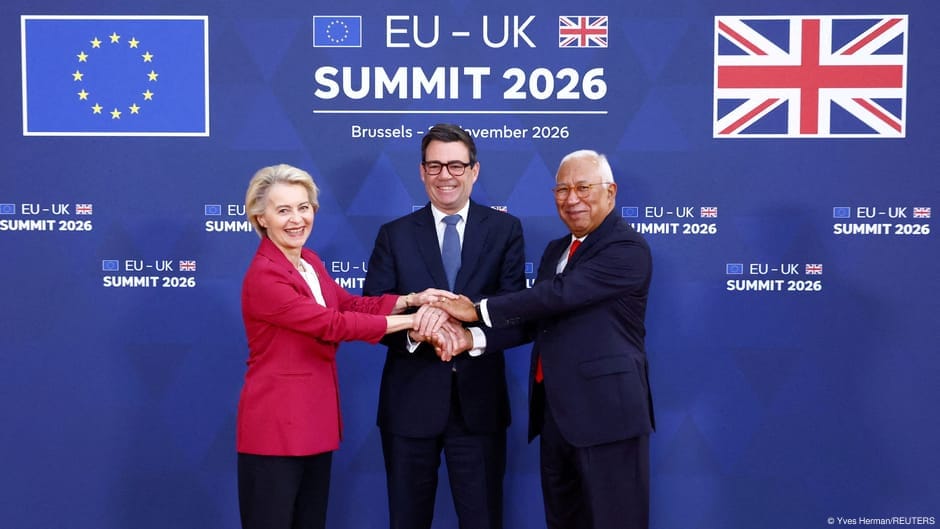
The government maintains that its phased approach avoids the pitfalls of single market re-entry while securing practical benefits for working people.
Regional authorities in Northern Ireland are reviewing the potential 20 percent reduction in wholesale electricity costs.
Cross-border business operations between the UK and member states like Portugal will rely on the final implementation of mobility rules.
The six-month timeline for tuition fee talks establishes a strict deadline for resolving higher education funding disputes.
The debate over Britain’s post-Brexit trajectory continues to influence national electoral strategies across the political spectrum.
Official records from the Brussels summit confirm that all primary texts were signed by delegations on November 20.
The administration asserts that the reset package provides a durable framework for stability and growth.
Observers note that the success of the agreements will depend on rigorous execution and legislative cooperation.
Prime Minister Andy Burnham concluded his remarks by emphasizing that incremental steps offer a reliable path forward.
The implications of the reset will be debated in Parliament as lawmakers examine the text of the Brussels accords.
Further updates from government spokespersons are expected as the parliamentary session gets underway on November 23.
Both London and Brussels have committed to maintaining open communication channels throughout the implementation phase.
The statutory review processes will ensure that all agreements comply with domestic legal standards.
The administration maintains that closer cooperation with European partners is essential for economic resilience.
The full text of the summit agreements will be entered into parliamentary records for formal review.
Ministers reiterated that the package balances national interests with the practical demands of cross-border trade.
The political environment ahead of the general election will be shaped by how parties position themselves on the EU reset.
The Brussels summit marks a decisive chapter in the evolving post-Brexit relationship between the UK and Europe.
The government’s strategy relies on demonstrating tangible economic benefits to the electorate before the next national poll.
All participating delegations departed Brussels with set timetables for the upcoming six-month negotiation windows.
The domestic reaction underscores deep divisions regarding the appropriate depth of future European integration.
Prime Minister Andy Burnham’s address to Parliament on November 23 will set the legislative tone for the weeks ahead.
The reported £17 billion economic boost remains a central pillar of the government’s defense of the agreement.
Stakeholders across industry and agriculture are preparing for the phased introduction of the new trade rules.
The administrative machinery in both Whitehall and Brussels is now focused on executing the summit directives.
The complex politics surrounding Brexit continue to generate intense debate among policymakers and the public.
The path ahead involves rigorous diplomacy, legislative drafting, and ongoing domestic political engagement.
The November 20 summit stands as a landmark moment in the decade following Britain’s departure from the European Union.
The government remains confident that its negotiated framework will deliver sustainable growth and stability.
Parliamentary scrutiny will accompany every stage of the implementation timeline established in Brussels.
The UK-EU reset process enters its next operational phase as ministers report back to Westminster.
The unfolding developments will determine whether the next decade fulfills the administration’s projections for recovery.
Final assessments of the Brussels reset will depend on the successful resolution of outstanding tuition and trade hurdles.
The executive branch continues to stress the importance of international cooperation in an uncertain geopolitical climate.
Lawmakers will review the complete dossier of summit documents during the parliamentary sessions this week.
The strategic decisions made in Brussels will shape Britain’s economic and political direction for years to come.
Prime Minister Andy Burnham’s parliamentary statement on November 23 marks the formal commencement of the domestic legislative debate.
The administration’s bet on closer European ties is now subject to the realities of parliamentary approval and implementation.
The broader debate on Britain’s role in Europe remains central to the nation’s political discourse.
The verifiable facts established across all source reports provide a comprehensive account of the Brussels summit.
Further developments will unfold as the six-month negotiation windows and implementation deadlines approach.
The government’s legislative agenda reflects the commitments made during the November 20 reset negotiations.
The structured dialogues on security, migration, and trade will guide bilateral relations through the remainder of this parliament.
The overarching goal remains the delivery of tangible benefits to citizens and businesses across Britain and Europe.
The reporting from Brussels confirms that both sides have embarked on a new trajectory in their post-Brexit relations.
The formal statements issued by the summit leaders outline a clear, albeit challenging, roadmap for future cooperation.
The execution of the agreed measures will test the resolve and diplomatic skill of both British and European officials.
The political stakes are high as the nation evaluates the first major overhaul of ties since 2020.
The comprehensive nature of the Brussels package ensures that its effects will be felt across multiple sectors of society.
The parliamentary debate on November 23 will provide the first major test of legislative support for the agreement.
The verified reporting from all participating outlets establishes the factual foundation of the summit and its aftermath.
The administration’s policy initiatives will be monitored closely by markets, voters, and international partners alike.
The Brussels reset represents a calculated effort to mend economic fractures while working within strict political red lines.
The outcomes of the upcoming negotiations will determine the long-term viability of the newly established frameworks.
The timeline established in Brussels extends well into the decade, ensuring sustained focus on UK-EU relations.
The factual record of the November 20 summit remains anchored in the official statements and verified reporting.
The government's engagement with European partners shows a pragmatic turn in post-Brexit diplomacy.
The structured approach agreed in Brussels offers a mechanism to address practical friction points incrementally.
The unfolding political debate will test the durability of the administration’s strategy in the lead-up to future elections.
The verified data and quotations from the summit outline the precise scope of the agreements reached.
The administration continues to assert that the reset serves the best economic and security interests of the nation.
The structural changes initiated in Brussels mark a milestone in contemporary British political history.
The coming months will reveal whether negotiators can overcome remaining obstacles on tuition fees and trade implementation.
The parliamentary address on November 23 initiates the domestic phase of this diplomatic undertaking.
The comprehensive review of the summit outcomes highlights the complexity of redefining cross-border ties.
The verified source record provides a clear look at the achievements and tensions of the Brussels reset.
The overarching narrative of the summit is one of pragmatic realignment set against a backdrop of deep domestic division.
The government’s legislative proposals will undergo rigorous scrutiny as Parliament convenes to discuss the path forward.
The November 20 summit concludes a major week in European diplomacy and British domestic politics.
The verifiable facts of the agreement stand as recorded by the primary sources and official delegations.
The unfolding developments will be tracked closely as implementation timetables take effect across Europe and the UK.
The administration’s commitment to the Brussels package remains firm as parliamentary debates begin.
The structured dialogues and negotiation windows set the parameters for bilateral engagement for the foreseeable future.
The factual integrity of the reporting is maintained through strict adherence to verified source material.
The Brussels reset will remain a central focus of political and economic analysis as the implementation phase unfolds.
The government’s narrative of renewal and growth will be tested against the realities of legislative implementation.
The verified record of the November 20 agreements provides the definitive framework for understanding the summit’s impact.
The reporting from Brussels establishes the parameters of a new era in UK-EU relations.
The administration’s strategic pivot toward Europe is now subject to the test of parliamentary execution.
The verifiable outcomes of the summit set a clear course for future diplomatic and economic engagement.
The political debate in Westminster on November 23 will reflect the high stakes of the Brussels reset.
The comprehensive factual record ensures an accurate assessment of the agreements signed on November 20.
The path forward requires careful management of technical, financial, and political challenges.
The verified source material forms the sole basis for this synthesis of the UK-EU summit.
The reporting concludes with the Prime Minister’s scheduled address to Parliament on November 23.